15 Survival Experts to Follow in 2027, Picked by a British TV Survivalist
By Steven Kelly, Survival Ste
I judge survival advice against what happens when you are hungry, sleeping badly and still have jobs to do.
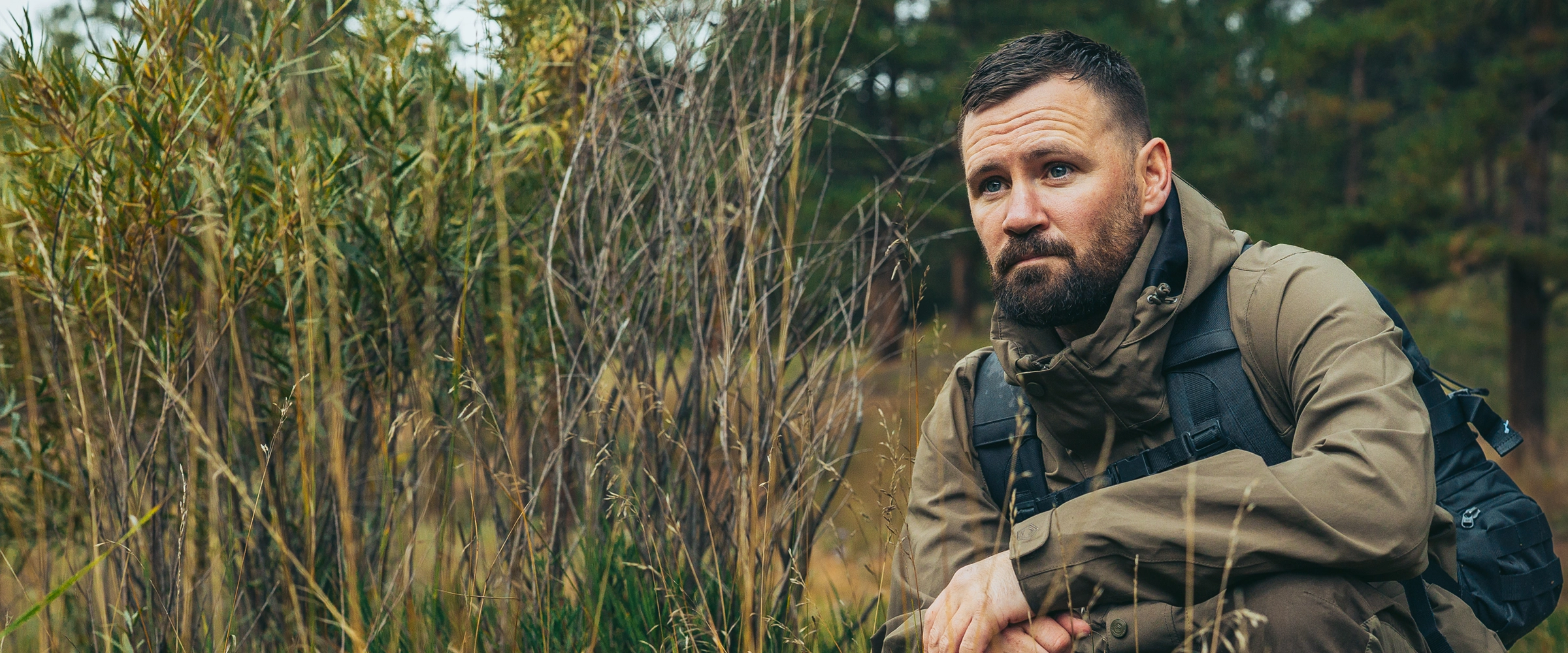
I am Steven Kelly, known as Survival Ste: a British TV survivalist, survival instructor and former British Army WO2. After 23 years in the Army, including service with 29 Commando Regiment Royal Artillery, I completed 21 days on Naked and Afraid in Colombia and 35 days on Naked and Afraid: Apocalypse in South Africa. That is 56 days across the two challenges.
I have interviewed, met or filmed with several of the people below. Those conversations are part of why I run The Survival Debrief. You get to ask about the decisions, discomfort and mistakes behind the television credits.
These are my survival experts and TV survivalists to follow in 2027, grouped by the experience they bring. The numbers help you find each person; this is a personal selection.
Naked and Afraid survivalists I rate
1. EJ Snyder
EJ “Skullcrusher” Snyder is a survival instructor, US Army veteran and one of the established names in Naked and Afraid.
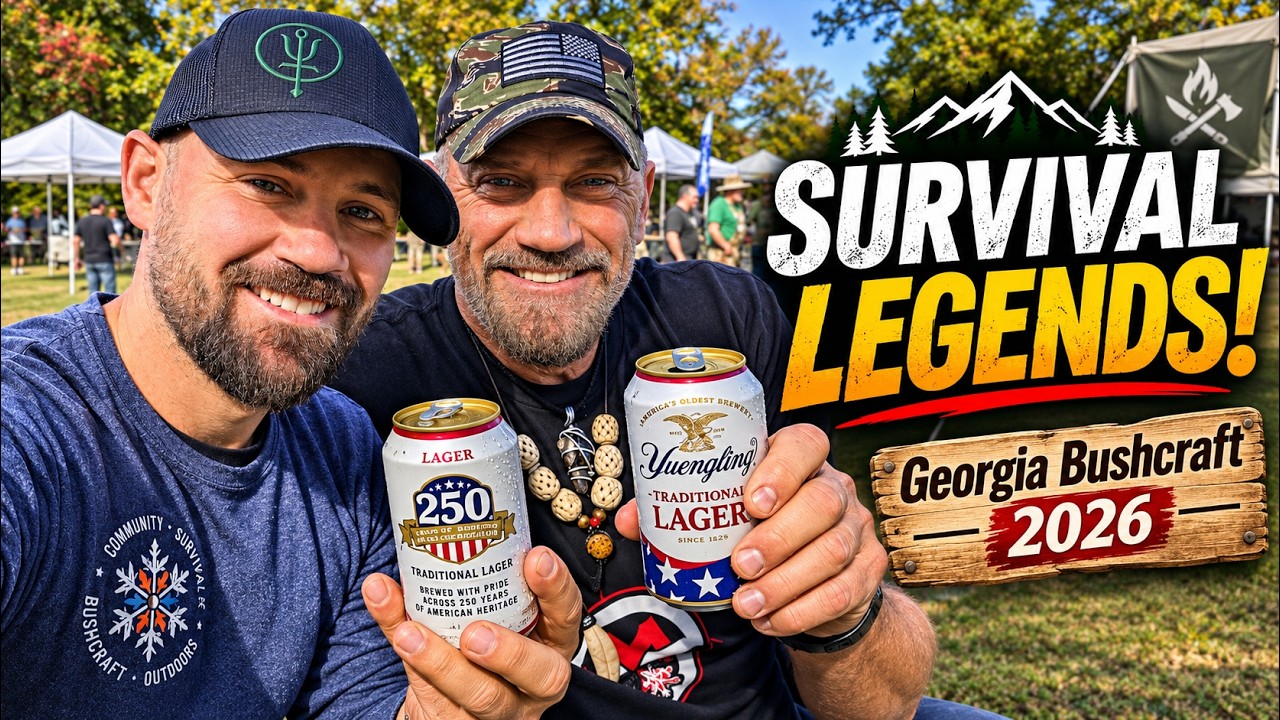
The first stand I headed to at Georgia Bushcraft was EJ's Freedom Pickles stand. Later, we were gathering with the Alone and Naked and Afraid crews for the panel. My footage catches both sides of that weekend: people running businesses and enjoying themselves, then getting together to talk about challenges viewers know from television.
Our podcast episode gets into communication under pressure. That matters to me because my Colombian challenge depended on keeping a camp functioning with my partner, Sunny, for 21 days. Being tired or frustrated did not remove the need to work together.
Instagram: @ejsnyder333 | Website | Our podcast episode
2. Waz Addy
Waz won the first Naked and Afraid: Last One Standing. His background also includes professional rugby and military service.
When I asked about his hardest challenges, he described the opening stretch in Peru: mosquitoes at night, black flies during the day, swollen feet and very little sleep. He also explained how the edit can make normal disagreements look more hostile than they felt at the time.
On Apocalypse, I spent 27 days severely hungry before the catfish catch that features in my account of the challenge. That was part of a 35-day challenge. It is the reference point I bring to conversations about how people behave when they have been running on very little food.
Waz gives you experience of both the practical work and the social pressure of competition.
Instagram: @wazaddy | Discovery profile | Our podcast episode
3. Ky Furneaux
Ky's background covers professional stunts, survival consulting and repeated appearances across survival television, including Naked and Afraid and First Man Out.
In our conversation, we got into how a competitive format changes the job. A trap built against a deadline has to be assessed against that task. A shelter needed for one night has a different brief from a camp you must keep improving for weeks.
That is a point I recognise from my own challenges. In Colombia, keeping our shelter, water routine and fire working in humid conditions took continuing effort. Every extra job needed a reason.
Ky is someone I would follow to understand those trade-offs. Her work also connects with Ed Stafford's through First Man Out; Ed's entry below explores the extra workload created by filming survival.
Instagram: @kyfurneaux | Website | Our podcast episode
4. Melissa Miller
Melissa Miller, known as Melissa Backwoods, has an education background alongside her survival television experience. Her own biography records a teaching degree and work as an environmental educator in Michigan, teaching nature education and wilderness survival.
It also records completed challenges in the Amazon, South Africa and Florida. That gives her equipment content context beyond a demonstration filmed in comfortable conditions.
I met Melissa at Georgia Bushcraft. Her work is a good place to examine how a tool is used: the grip, the task, the material and the result. My own time in Colombia and South Africa made me pay attention to the work equipment can actually save when energy is limited.
Instagram: @melissabackwoods | Website and biography
Alone winners to follow
5. Zachary Fowler
Fowler won season three of Alone in Patagonia. Before television, his background included boatbuilding, and that making experience remains part of his appeal.
He hosted the Alone vs. Naked and Afraid panel I joined at Georgia Bushcraft. My film catches us assembling before it started: the Naked and Afraid team waiting, more of the Alone participants arriving, and everyone getting into position.
There was also a small moment later in the footage when Fowler was thanked for donating s'mores for the children. It captures the atmosphere of the gathering better than a formal biography could.
Follow his making and outdoor work alongside the television appearance. Building and adapting things is a skill you can keep developing long after a series ends.
Official YouTube channel | Website | My Georgia Bushcraft film
6. Woniya Thibeault
Woniya became the first woman to win an Alone solo survival challenge when she completed the 50-day Alone: Frozen challenge. She had previously finished runner-up in season six.
Her teaching and writing bring traditional skills into the picture: making, working with materials and developing a relationship with the place you are living in.
There is something substantial to study there. A finished object can hide hours of preparation and years of practice. Follow the processes behind her craft as well as the Alone results. They show a different part of the knowledge needed for prolonged outdoor living.
YouTube: Buckskin Revolution | Website
7. Gina Chick
Gina won the first series of Alone Australia after 67 days in Tasmania. Her background is in rewilding facilitation, and she has spoken about learning from the land and finding a way to feel at home outdoors.
Her account gives you a way into the emotional demands of an extended challenge. You have to keep responding to the situation in front of you, even when progress feels slow and there is nobody there to reassure you.
I would follow her alongside people who teach the practical techniques. Both the work and the person doing it need to hold up over time.
Instagram: @gigiamazonia | Website
Bushcraft instructors and educators to learn from
8. Ray Mears
Ray founded Woodlore in 1983 and has spent decades bringing bushcraft to people through teaching, books and television.
The part I would study is his attention to materials and place. A technique makes more sense once you understand why that material was chosen and what conditions it needs to work.
That is a sound habit for anyone learning bushcraft. Watch the preparation before the demonstration and give yourself time to practise it. It is very easy to remember a finished fire or shelter and overlook the decisions that made it possible.
Instagram: @raymearsandwoodlore | Woodlore
9. Dave Canterbury
Dave founded the Pathfinder School and wrote Bushcraft 101. His teaching has given many people a structured route into outdoor self-reliance.
I met Dave at Georgia Bushcraft. His five Cs of survivability are a recognisable part of his approach: a framework for thinking about basic equipment needs and the jobs that equipment must perform.
A framework becomes valuable when you can apply it. Understanding what you carry, practising with it and recognising its limitations gives you something to build on. Dave belongs in this selection on the strength of his teaching, books and practical body of work.
Pathfinder and Self Reliance Outfitters on YouTube | School and instructor biography
10. Joe Flowers
Joe runs Bushcraft Global and has a degree in zoology with a minor in entomology. His work includes jungle expeditions and learning alongside local and Indigenous instructors.
I met Joe at Georgia Bushcraft. The combination of natural history and practical instruction is what earns his place here. It changes the questions you can ask about an environment, from the materials available to the insects and animals around you.
After Colombia, I certainly did not need convincing that insects can shape a survival experience. Broken sleep and constant irritation become part of the work. Joe's background is a reason to explore the ecology behind the outdoor skills, as well as his tool designs.
Instagram: @joe_flowers_bushcraft_global | Bushcraft Global
Expedition, filmmaking and TV survival experts
11. Bear Grylls
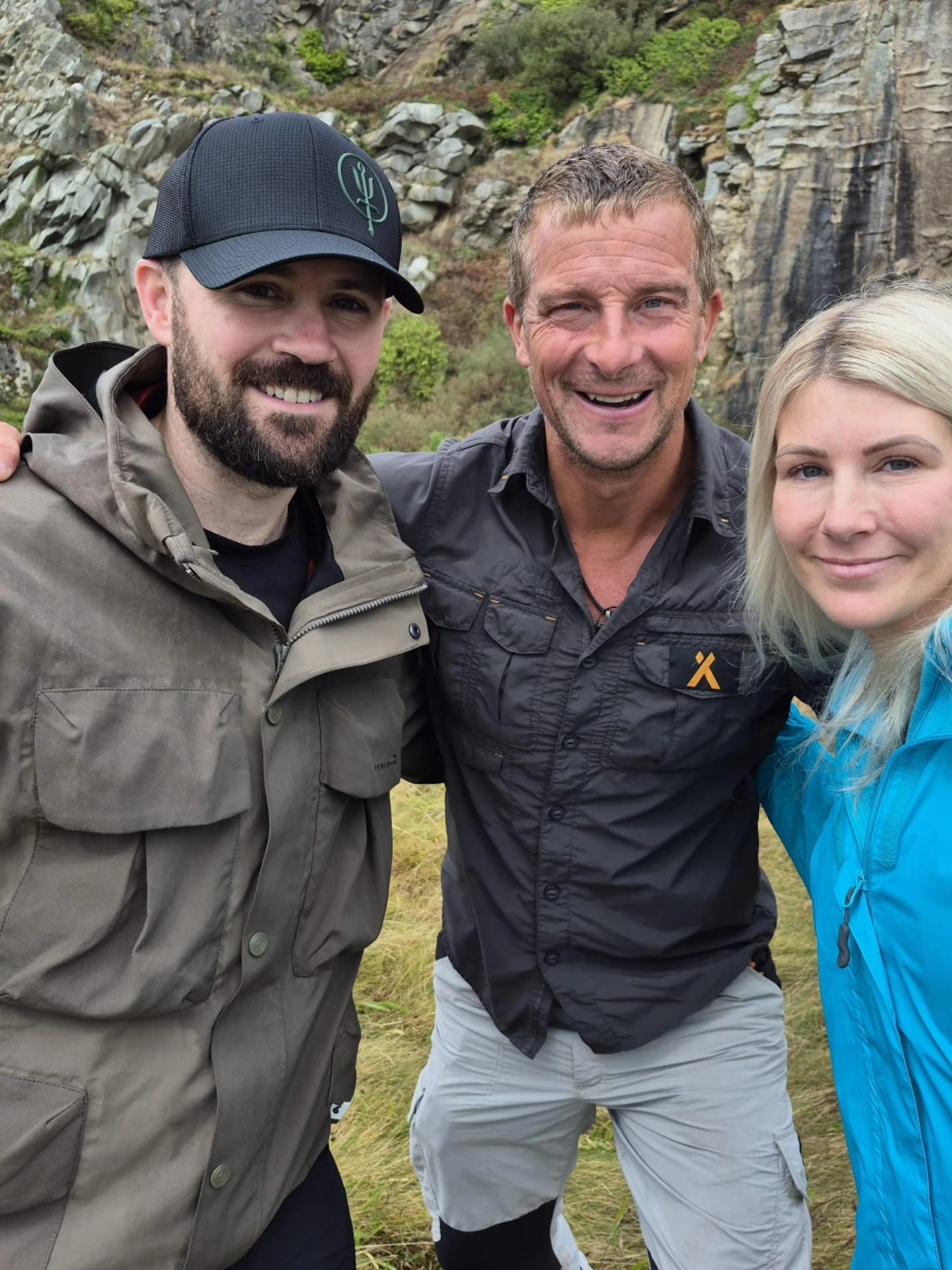
Jenny and I appeared on Bear Grylls: Wild Reckoning in the episode Housing Headaches. The programme put our disagreement about buying a home into an outdoor setting where communication became the central issue.
That gave me a direct connection with a different kind of survival television: using an outdoor challenge to draw out how people make decisions together.
Megan Hine also gave me an insight into Bear's presenting when she joined my podcast. She described his ability to absorb information and explain it quickly to an audience. For anyone interested in presenting, that is a skill to study alongside his outdoor work.
Instagram: @beargrylls | Website | My Wild Reckoning episode
12. Les Stroud
Les created Survivorman and built its format around recording survival while operating his own cameras.
Anyone who films outdoors should pay attention to that workload. A walking shot can mean setting up the camera, returning to the starting point, walking through the frame and going back to collect it. That sits alongside the jobs needed to keep yourself functioning.
Watch his work with an eye on energy and priorities. You begin to see the cost behind what looks like a short sequence on television. It is a valuable perspective for viewers and for anyone trying to make their own outdoor films.
YouTube: Survivorman | Website
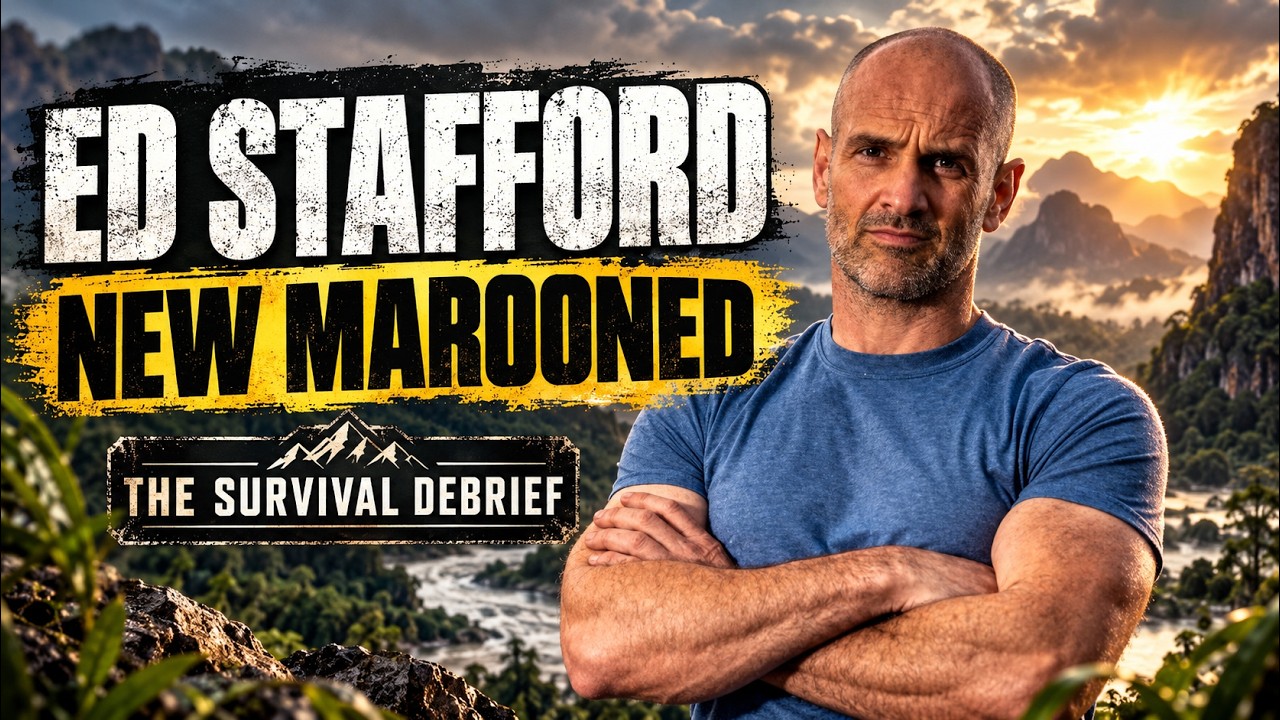
13. Ed Stafford
Ed walked the length of the Amazon in an expedition that took 860 days. When he joined The Survival Debrief, one point that stayed with me was his advice about filming the moments when you least feel like turning on the camera. Those low points can be the moments an audience most needs to understand.
I told him about the pressure I felt on Naked and Afraid to look strong because I was still serving and knew soldiers would be watching. That was a more revealing conversation than another discussion about kit.
Ed also described how he and his walking partner kept coming back to whether they had moved forward that day. It is a manageable question when the finish line is months away.
Instagram: @ed_stafford | Website | Our podcast episode
14. Megan Hine
Megan joined me on The Survival Debrief to discuss her expedition, survival and television production work.
One detail from that conversation explains why her experience matters. If a presenter changes direction and heads into different terrain, the crew still have to get through it. The people responsible for risk and logistics must think beyond the person making the dramatic move.
She also described starting on Bear Grylls productions in a technical rigging role before her wider guiding and survival skills became part of the job.
Having appeared on survival programmes myself, I think that work deserves attention. Megan is someone to follow if you want to understand how an outdoor sequence gets planned and supported.
Instagram: @megan_hine | Website | Our podcast episode
15. Hazen Audel
Hazen is the wilderness guide and survival instructor at the centre of National Geographic's Primal Survivor. The series follows journeys using knowledge learnt from local communities.
That connection to place is the reason to include him. Materials, weather, terrain and established local methods all influence what is practical.
As you watch, pay attention to the people sharing that knowledge and credit them for it. Their experience is a large part of the story. Following Hazen can be a starting point for learning about the communities and environments behind the programmes.
YouTube: Hazen Audel Official | Website
What makes a survival expert worth following?
I look for experience somebody can explain, judgement they can support and teaching that helps the person listening.
A television challenge records what somebody did in that situation. Instruction, guiding and production work bring other responsibilities. Look at the background behind the advice, then decide what you want to learn from it.
I also pay attention to whether people explain their mistakes. There is plenty to learn from a plan that had to change, especially when somebody can tell you what they missed and what they would do differently.
Which survival expert should a beginner start with?
Start with somebody who explains the basics clearly and teaches at your level. The people above offer different routes into bushcraft, survival television and expedition experience.
If you want practical instruction in the UK, I run South West Survival. Our Commando Survival Foundation is a Friday-to-Sunday course with two nights camping at Bush Farm, Pillaton, near Saltash in Cornwall, within reach of Plymouth and Devon.
It covers the foundations we keep returning to in these conversations: fire, shelter, water, fieldcraft and decisions under pressure. The course gives you time to practise with instruction, ask questions and find out where your gaps are.
See the Commando Survival Foundation course.
Frequently asked questions
Which Naked and Afraid survivalists should I follow?
EJ Snyder, Waz Addy, Ky Furneaux and Melissa Miller are my selections in this article. Their backgrounds cover instruction, long-duration challenges, competition, outdoor education and equipment. Explore the work that matches what you want to learn.
Are there British Naked and Afraid survivalists?
Yes. I completed Naked and Afraid season 17 in Colombia and later Naked and Afraid: Apocalypse in South Africa. Jamie Frizzell and Sam Mouzer are other British participants. My Naked and Afraid page and UK survival experts guide explain more of the British survival scene.
Who is the most famous survival expert?
Bear Grylls is among the most recognisable international survival television presenters, through programmes including Man vs. Wild and Running Wild. Ray Mears, Les Stroud and Ed Stafford are other established names. Their work has different aims, so choose who to follow according to what you want to watch or learn.
Hear the conversations behind the credits
My interviews with EJ Snyder, Waz Addy, Ky Furneaux, Ed Stafford and Megan Hine are linked in their entries above. You can find more conversations on The Survival Debrief Podcast.
For a practical starting point, get my free 72-Hour Survival Blueprint, with optional survival tips, new videos and course updates.
For television, expert interviews or speaking, send me an enquiry.
7 Skills That Kept Me Alive on Naked and Afraid
Get the free guide, plus new journal posts and podcast episodes when they drop. Written by me, not an algorithm.
No spam. Unsubscribe any time.