Dartmoor Wild Camping: Our Two-Day Expedition Went Wrong
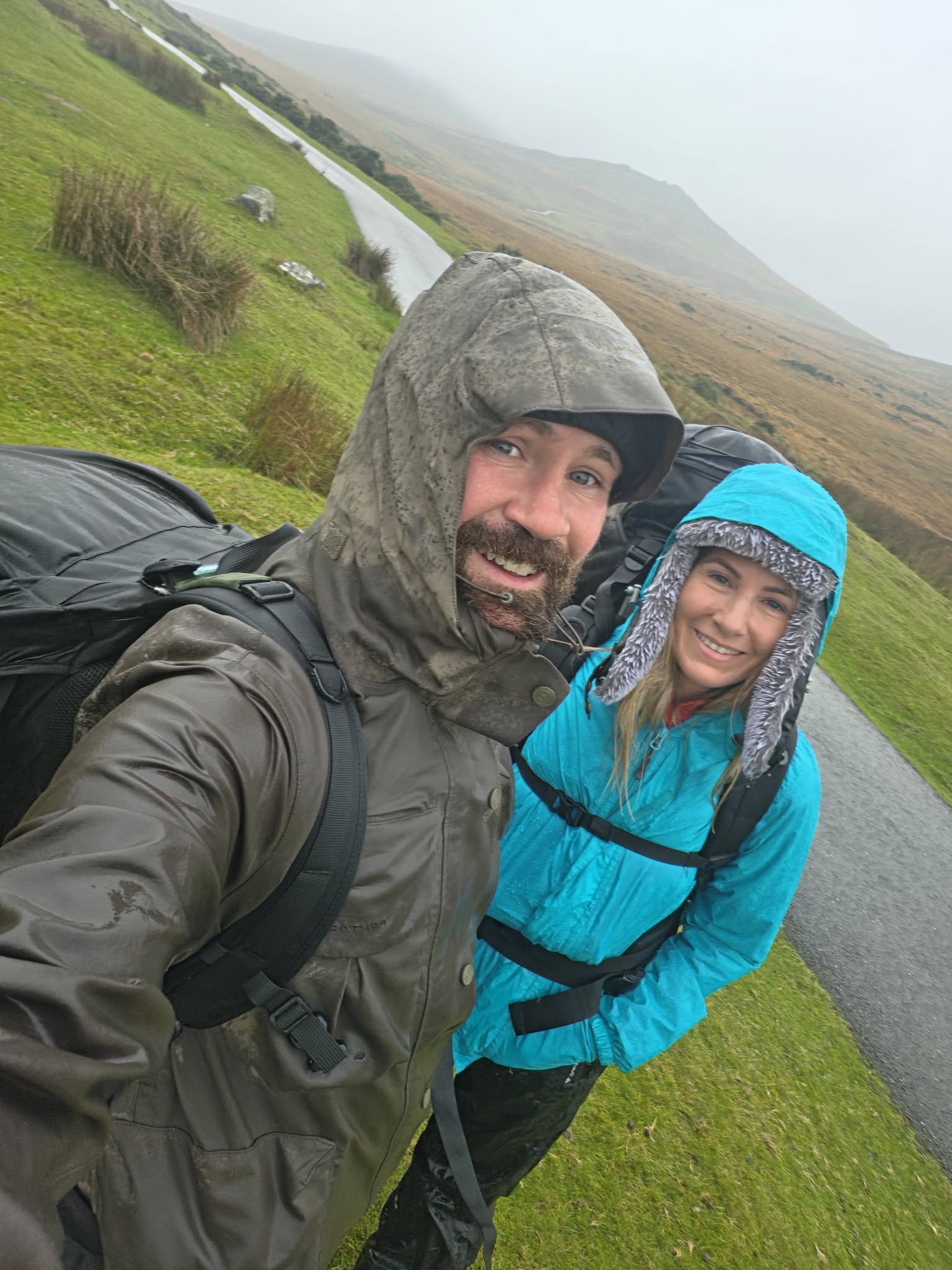
We set off from Okehampton Camp with one objective: walk roughly 72 km home to Plymouth in three days. Jenny and I ended up walking for two days instead. The weather turned dangerous, I lost my phone, my camera battery ran out, and we arranged to be collected near Princetown. This is the story of the expedition we actually had, rather than the one we planned.
Watch our Dartmoor expedition
Watch the expedition on YouTube.
The plan: Okehampton to Plymouth
We were dropped off at Okehampton Camp, carrying our food, shelter and kit. Three days, maybe four if necessary, to reach home in Plymouth. The forecast was already unpleasant, with winds around 43 mph expected, but we wanted to take on the challenge together. Jenny wasn't accustomed to this kind of long-distance expedition, so we would need to manage both the conditions and our different levels of walking experience.
The first miles were hard work
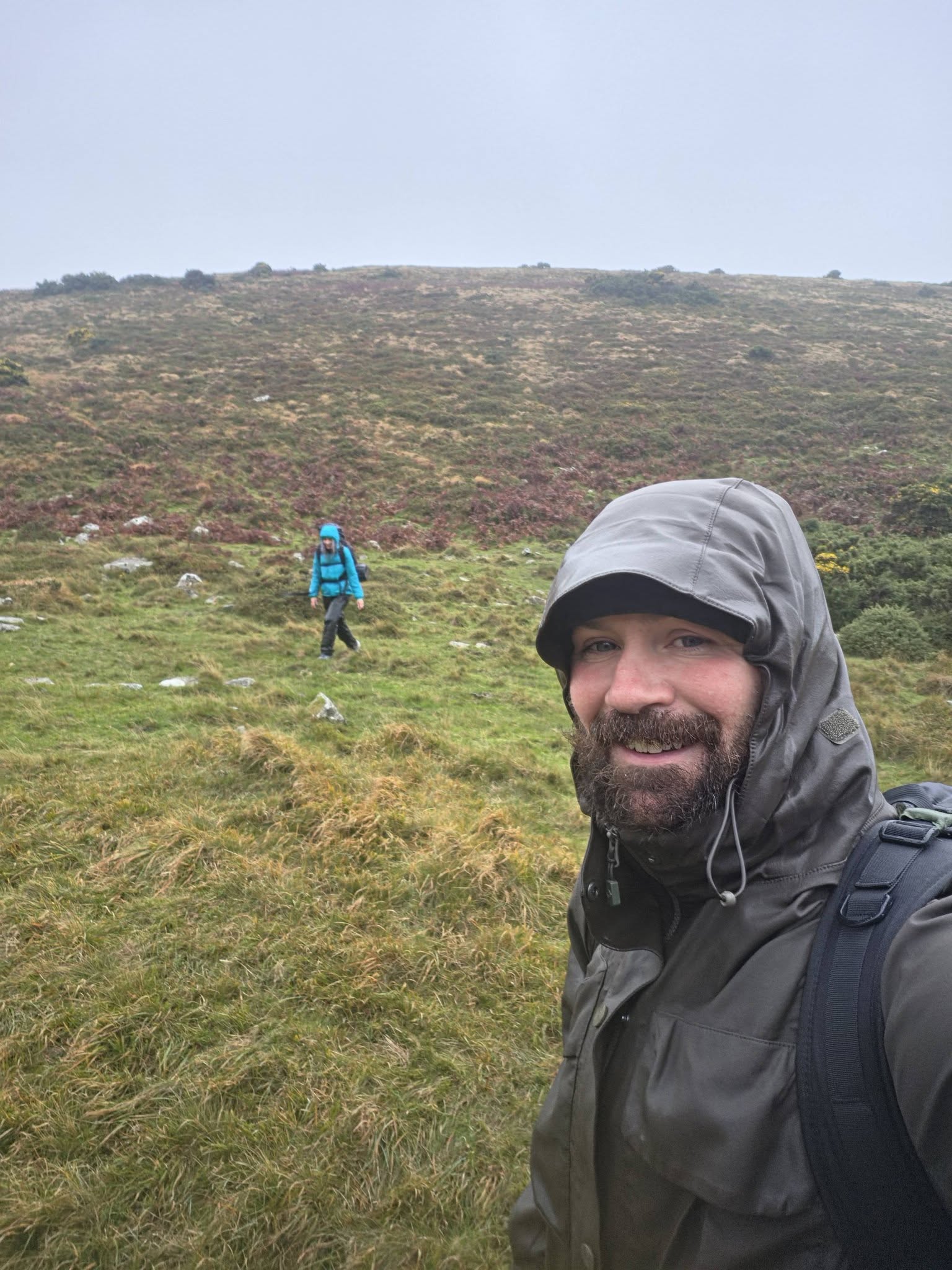
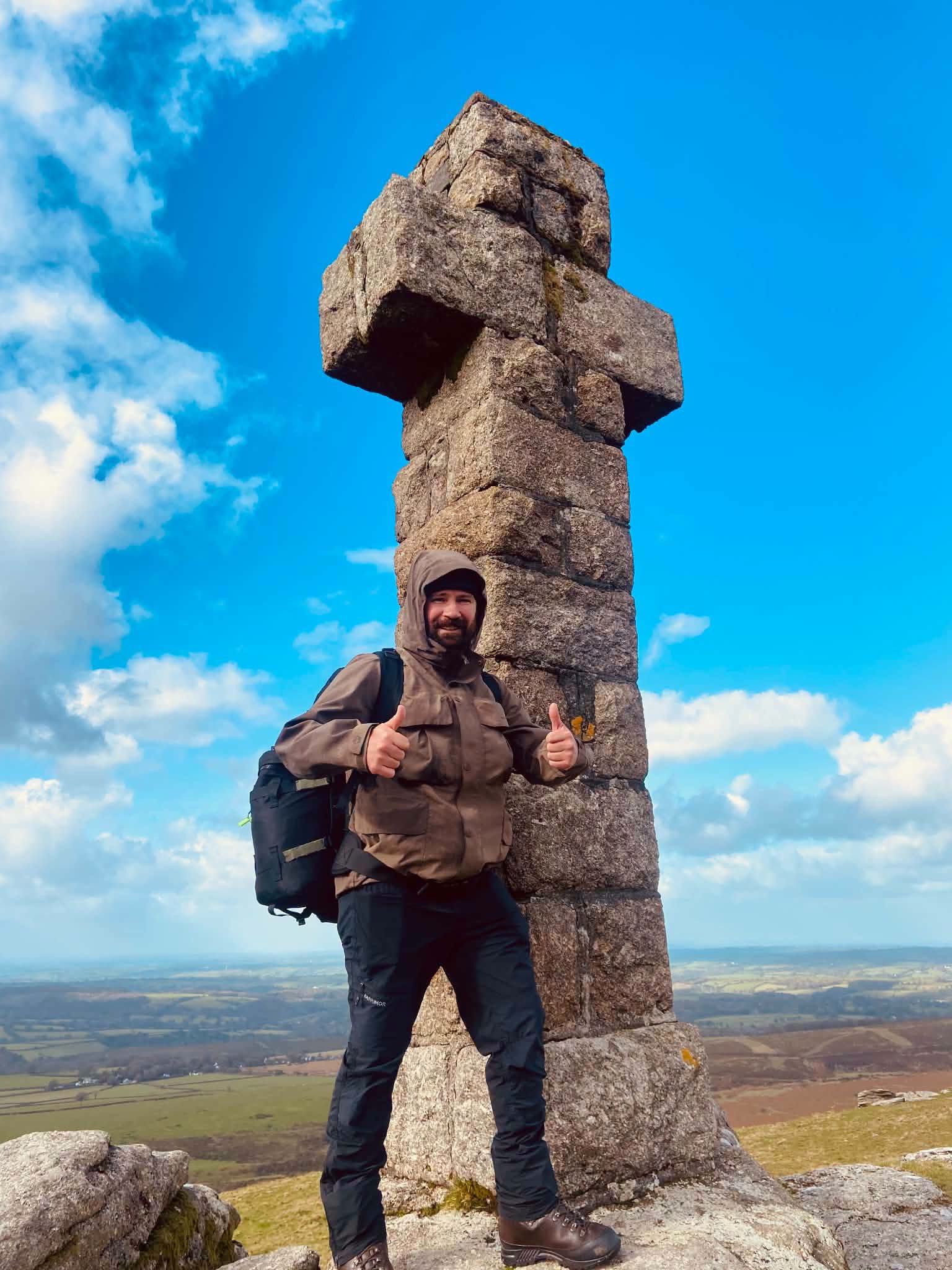
Within the first two miles, we were soaked by the weather and struggling over awkward, rocky ground. I filmed Jenny coming down the hill and asked whether she was cold. She was, but she kept going. We passed a tent on the hill and talked about checking on the people camped there. Our route took us out across the northern moor towards Widgery Cross, the tors and our first big checkpoint, the Fox & Hounds.
What struck me was how quickly Dartmoor changed. We had rain and strong winds, a break in the clouds, sunshine, then more nasty weather. The shelter you can find between rocks is remarkable: in one crevice near the tor, the wind almost disappeared even while it was blowing hard above us.
Great Links Tor and meeting friends
We made our way towards Great Links Tor and caught up with Danny, Lisa and Bailey. Having friends along made it a more enjoyable day. We explored the tors and spent longer together than we'd originally allowed. It was worth it for the company, but it put our timetable behind.
By the time we were making our way down towards the Fox & Hounds, we were hungry and ready for a proper break. The footage catches Jenny saying she is starving. That is what a wet, windswept day carrying a rucksack can do.
Fox & Hounds to Brent Tor Church
We finally reached the Fox & Hounds, got some food and continued on. The next stop was Brent Tor, with its striking little Church of St Michael de Rupe perched on top of a rocky hill.
We left our rucksacks below and climbed for the view. The wind was fierce. We went inside the church as well. It was a memorable stop, but another detour from the original plan. The daylight was starting to run out and we still needed somewhere to sleep.
Two of us in a one-man bivvy
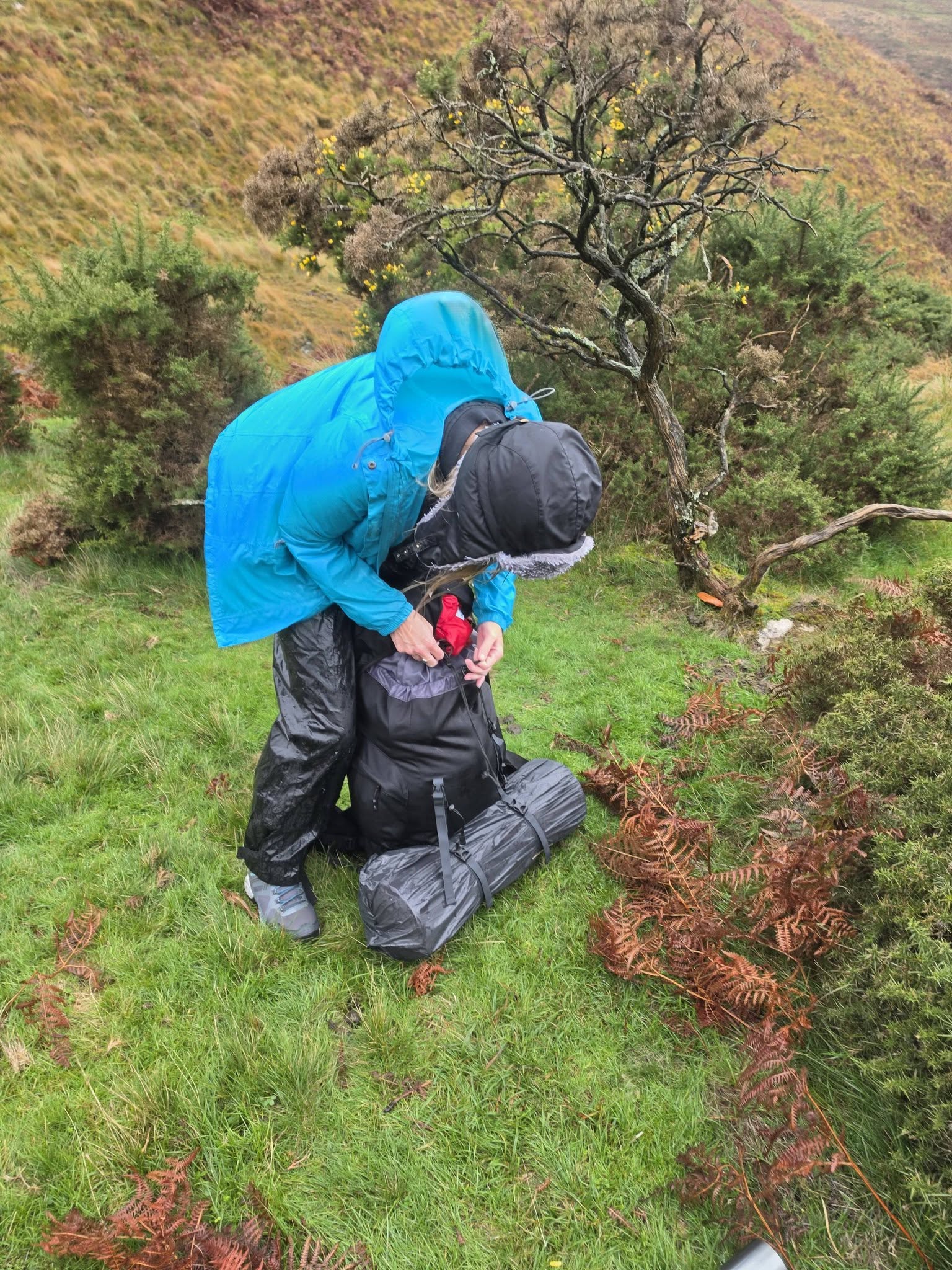
We found an overnight spot near a tor in the Princetown area. We had a one-person bivvy shelter, and there were two of us. It was tight, especially trying to deal with our sleeping bags and the rucksacks when more rain was expected.
I asked Jenny how she felt about staying in there. Her response was simple: “Squished.” She wasn't wrong. But we found the humour in it, got ourselves organised and prepared for the night.
Dinner was from our rations: French-style lentils. Jenny liked them. I wasn't quite so enthusiastic. We'd covered plenty of ground, felt the weather and spent time exploring with friends. By the end of the evening we were tired enough that a meal and a sleeping bag were all we wanted.
Day two: the phone disappears, then the camera stops
We carried on for a second day, but things weren't going to plan. Somewhere on the open moor I lost my Samsung phone. Trying to work out where it was became a problem of its own. Then the camera battery ran flat. The footage ends before the walk did, which is frustrating when you intended to document every stage.
Meanwhile, the weather was too dangerous to justify continuing on the planned route towards Plymouth. After two days, we made the call to stop near Princetown and got a friend to pick us up.
We didn't complete 72 km. I'm not going to claim otherwise. We did take on a difficult trip, see some great places and return safely.
What I learned from this Dartmoor walk
Match your shelter to the people and conditions. Sharing a one-man bivvy made for a funny moment on camera, but more room and better protection for wet kit would have helped.
Have independent navigation and communications. Losing a phone shows how quickly an important item can disappear. Back-up navigation isn't optional just because you have a modern smartphone.
Manage camera power like expedition kit. If the video matters, spare batteries and a power plan matter too. We lost our ending on camera because the kit ran out first.
Adapt the plan to the team. Jenny pushed herself on difficult ground and in miserable conditions. The right pace and the right decision have to work for both people.
Know when to finish early. My military and survival experience doesn't mean I should ignore deteriorating conditions. Pressing on for the sake of a finish would have been a poor decision.
What kit would I change for another Dartmoor expedition?
There is no point pretending the kit was perfect when the trip itself showed where it fell short. These are the practical adjustments I'd make before another multi-day walk in October:
- A two-person shelter: a proper tent or bivvy setup with enough room for Jenny, me and wet equipment, rather than squeezing into a one-man shelter.
- A separate dry-bag system: one waterproof bag each for sleeping clothes and insulation, plus protected storage for the sleeping bags and electronics.
- Independent navigation: an offline map and compass, a preloaded GPS course on my Garmin, and a paper map. Losing my phone underlined why a single device should never be the whole plan.
- Power for three or four days: spare camera batteries, a charged power bank and charging leads packed separately from wet equipment. Running out of camera power cost us the end of the film.
- Food and hot drinks: lightweight ration meals are practical, but they need adequate water and a stove that works reliably in the conditions.
- A realistic daily target: distances based on the person with less long-distance experience, with daylight and weather allowances built in.
These are lessons from our own expedition, not a claim that any piece of equipment guarantees safety. On Dartmoor, I would also check the current official backpack camping map and MOD firing information before committing to a route or overnight stop.
Want to improve your navigation and outdoor skills?
Our Dartmoor trip demonstrated why planning, navigation, managing your kit and knowing when to change course are important. Through South West Survival, I teach practical bushcraft and outdoor survival skills, drawing on my military background and real-world expeditions. Whether you're preparing for a first overnight adventure or want to build confidence in the outdoors, take a look at the training available.
Explore South West Survival courses and challenges.
More survival adventures and useful reading
If you enjoyed this honest account of a trip that didn't go as planned, you can also watch Highland Reckoning, read my guide to emergency preparedness or browse the Survival Ste expedition journal.
Would we go back?
Yes. We saw Widgery Cross, Great Links Tor, the Fox & Hounds, Brent Tor Church and some impressive Dartmoor country. We met friends, ate rations and shared an unforgettable night out. The expedition ended early, but it certainly wasn't a wasted trip.
We'll take the lessons forward and maybe one day finish the walk back to Plymouth.
Watch the Dartmoor expedition video here. For more outdoor adventure, survival skills and fieldcraft, follow my journal and find out about training with South West Survival.
Steven Kelly | Survival Ste
7 Skills That Kept Me Alive on Naked and Afraid
Get the free guide, plus new journal posts and podcast episodes when they drop. Written by me, not an algorithm.
No spam. Unsubscribe any time.