UK Emergency Preparedness: What the Government’s Be Ready Advice Means
What does the Government’s Be Ready emergency guidance mean for households?
The UK Government’s Be Ready campaign asks people to take simple steps so they can manage if everyday services are disrupted. On 23 October 2026, I discussed the advice on BBC Radio’s Lunchtime Live. My interview is at about 12:08 on the BBC Sounds programme page.
The prompt for the conversation was the new preparedness message and comments from Defence Secretary Wes Streeting. He had warned that the country needs to take resilience seriously in the face of risks including severe weather, cyber attacks and hostile state activity. That is a reason to make sensible plans, not a prediction that a particular emergency is about to happen.
The Government’s advice is deliberately ordinary: think about the people in your household, keep some useful supplies at home, know how to get reliable updates and agree what you would do if you could not contact one another. You do not need specialist kit, a military background or a bunker.
What is the UK Government’s Be Ready advice?
The central idea is to be able to manage for three days if the services you rely on are temporarily disrupted, while support reaches people who need it most. The official Be Ready for emergencies guidance has a checklist and household planning advice.
Start by checking what you already have. Note what your household would need, then add missing items gradually during normal shopping. The guidance suggests reviewing supplies every six months and changing them when your household’s needs change. Not everyone can do every step; take the ones that are realistic for you.
This is practical preparation for disruptions such as a power cut, loss of water, severe weather or interruption to communications and payments. It is not a call to panic-buy or to spend heavily on specialist survival equipment.
What should I include in a 72-hour emergency kit?
Use the Government’s checklist as your starting point and adapt it to your household:
- Water: The guidance recommends three litres of drinking water per person per day. You may need more for cooking, washing, pets or medical needs.
- Food: Keep familiar, long-life food that does not need refrigeration or cooking. Choose food you already eat and know how to store.
- Light and warmth: A torch with spare batteries is safer than relying on candles. Keep warm clothing, blankets or sleeping bags available.
- News and power: A battery or wind-up FM radio can provide updates during an outage. Keep a charged power bank for phones or compatible medical devices.
- Health and hygiene: Include essential medication, first-aid supplies, hand sanitiser and other household hygiene products. Leave enough time to request repeat prescriptions.
- Money and information: Consider some cash, copies of important documents, written phone numbers, and a note of regular medication and doses.
- Children and pets: Add the supplies they depend on, such as nappies, ready-to-feed baby formula, pet food and water.
You may already own much of this. A torch, a radio and a few meals that can be eaten without cooking can be more useful than buying a large pre-packed kit that does not suit your family.
How can I contact my family if the phones go down?
Do not make your plan depend on being able to call or message. Agree a meeting point close to home and a backup location. Write important numbers on paper, including an out-of-area contact if that works for your family. Decide who will check on children, older relatives, neighbours or anyone who needs extra support.
Keep a battery or wind-up radio and write down the local station frequencies you use for news. Swap contact details with neighbours before an outage and agree how you might check in with one another safely. If someone relies on powered medical equipment, plan specifically for charging, backup arrangements and who to contact.
The Government provides a printable Household Emergency Plan. Fill it in before you need it and keep a paper copy with important documents.
Should I prepare a grab bag?
A grab bag can help if you are asked to leave home quickly. The Government says you could keep essential items together in a spare bag. Keep it manageable and personal: medication, keys, a phone charger, copies of key documents and anything essential for children or pets.
A grab bag is only one part of household preparedness. You should also consider what you would need if you were asked to stay at home. Follow instructions from the emergency services about whether to evacuate or shelter in place.
What should I do about a local emergency or power cut?
Find out which hazards are relevant where you live and sign up for local alerts. Know how to turn off your gas, electricity and water if you need to leave because of flooding or another emergency. Check smoke alarms and make sure everyone at home knows the fire escape route.
If someone in your household may need extra help during a service interruption, check whether they can join the Priority Services Register. In Northern Ireland, equivalent support is available through Customer Care Registers. Also check that schools, carers or workplaces have current contact numbers and plans for an outage.
Can anyone learn to be prepared without military experience?
Yes. Most household emergency preparedness is about everyday decisions: keeping useful supplies, knowing your local risks, making a family plan and using reliable information. You do not need to have served in the military or be an experienced outdoorsperson.
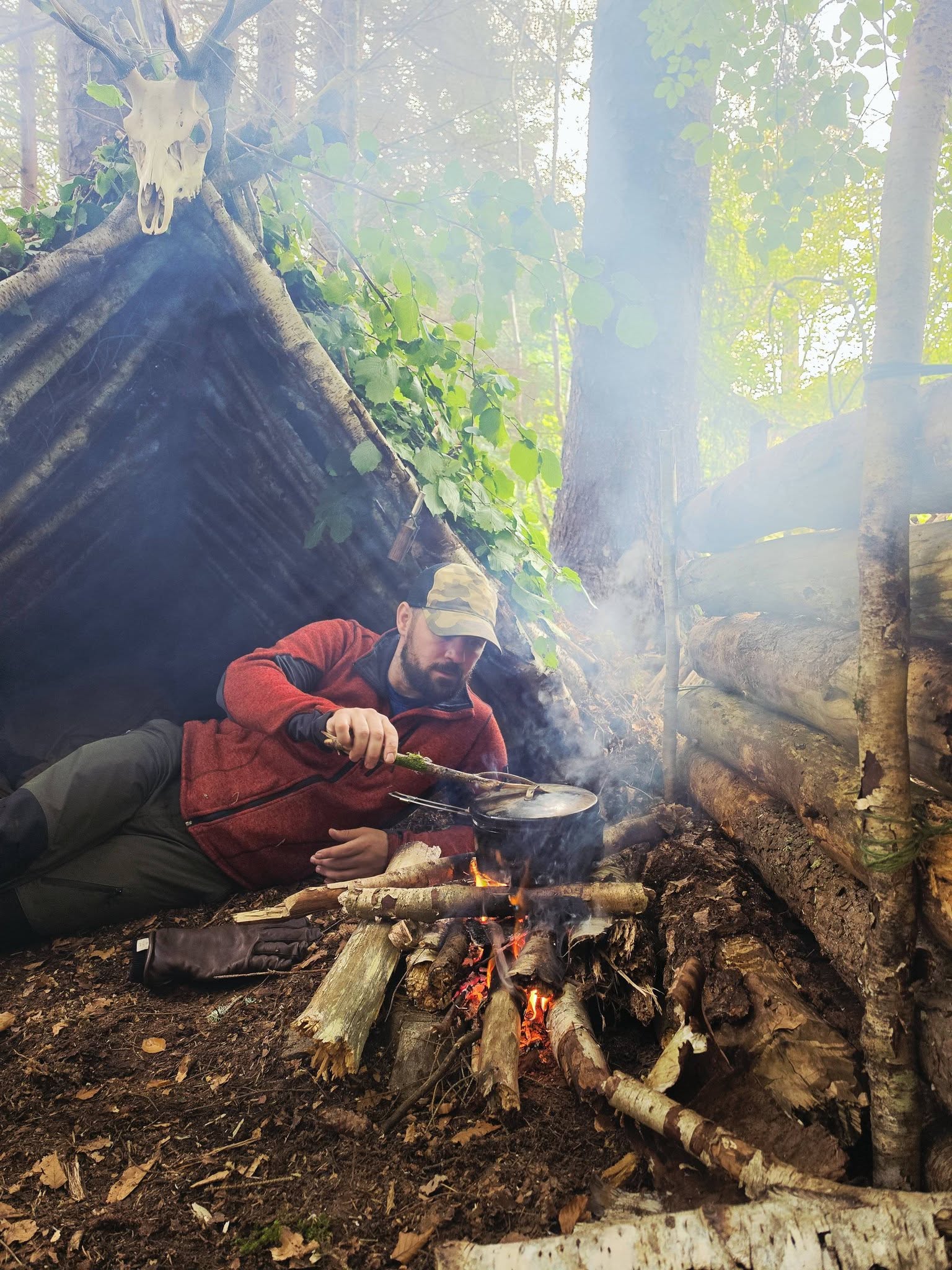
Practical outdoor training can help build confidence with skills such as shelter, fire, water, navigation and decision-making. At South West Survival, we teach outdoor survival and bushcraft in a supervised setting. Those skills can be valuable, but they do not replace official emergency advice, first aid training or the work of emergency services. See South West Survival courses.
What if the emergency is a terrorist attack?
That is a different situation from a power cut or flood, and the response should come from official guidance. For a firearms or weapons attack, Counter Terrorism Policing advises people to Run, Hide, Tell: run if there is a safe route; hide if you cannot get away; and tell the police by calling 999 when it is safe. Read the official Run, Hide, Tell advice.
Outdoor survival techniques are not a substitute for those instructions.
What is the first thing I should do today?
Take ten minutes to check your cupboards, find a torch and write down important phone numbers. Then agree a meeting point with your household and list any medication, baby, pet or medical-device supplies you would need.
Build up the rest gradually. Preparedness is not about fear or expensive gear. It is about making calm decisions easier for you, your family and your neighbours if an ordinary service stops working.
For a practical Devon-focused look at putting the guidance into practice, read the South West Survival blog on emergency preparedness.
Listen to the BBC Radio interview
I joined Lunchtime Live on 23 October 2026 to talk about the Government’s Be Ready advice, practical household preparation and what people can do without a military background. Listen to the programme on BBC Sounds; my interview was at about 12:08.
Start with the official guidance
7 Skills That Kept Me Alive on Naked and Afraid
Get the free guide, plus new journal posts and podcast episodes when they drop. Written by me, not an algorithm.
No spam. Unsubscribe any time.