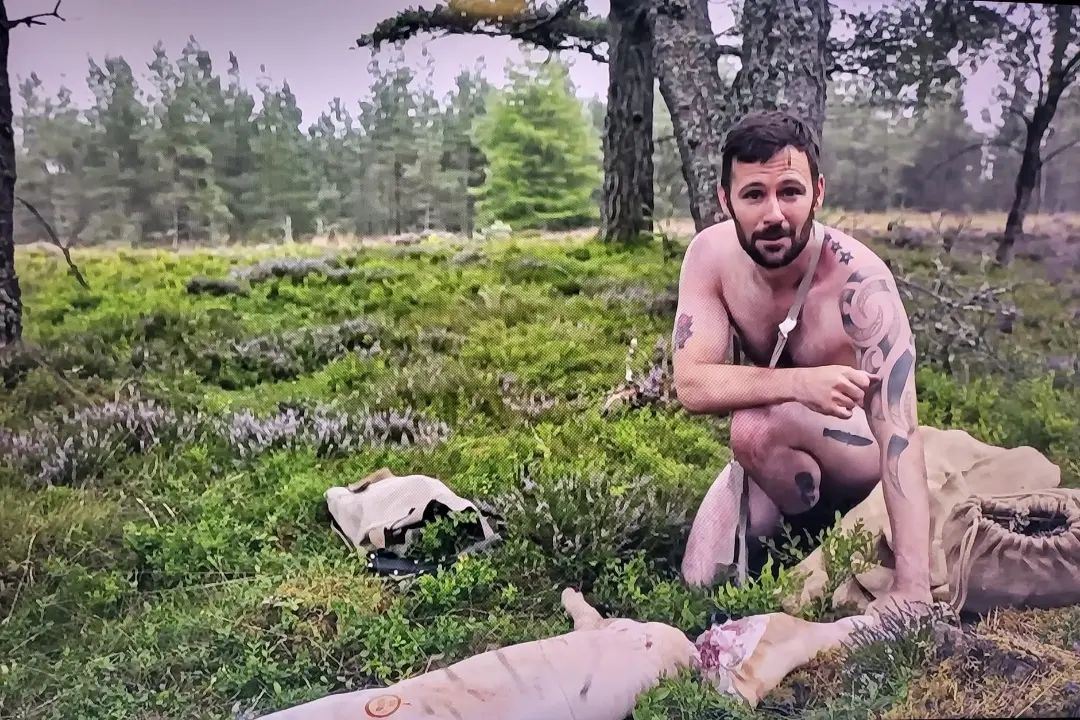
What Naked and Afraid Taught Me About Real Survival
Television can make survival look dramatic, but the reality is much simpler and much harsher. When comfort disappears, small mistakes become big problems very quickly. One of the biggest things I learned from Naked and Afraid is that survival is not about ego, bravado or trying to look hard. It is about making disciplined decisions under pressure.
People often imagine survival is about one huge breakthrough moment. In reality, it is usually about doing the basics well, again and again, when you are tired, hungry, wet and uncomfortable. The people who cope best are not always the loudest or the toughest-looking. They are often the ones who stay calm, focus on priorities and do not waste energy on the wrong things.
Real survival starts with priorities
A lot of people think survival begins with fire. Others think it begins with water or food. The truth is that survival begins with priorities. If you get the order wrong, you create problems for yourself.
The first real lesson is this: sort out what will kill you first. In some environments, that is exposure. In others, dehydration becomes a serious issue. In almost all cases, panic and poor decision-making make the situation worse.
That means you need to assess your environment honestly. Are you losing body heat? Are you exposed to wind or rain? Do you have a realistic water source nearby? Are you wasting daylight? These are the questions that matter first.
Shelter beats comfort every time
One of the clearest lessons from any survival situation is that shelter matters more than most people realise. People love talking about gear, but in the real world, poor shelter can break you fast.
A survival shelter does not need to be impressive. It needs to do its job. It needs to reduce heat loss, give protection from wind and rain, and make the night survivable. A simple, well-placed shelter is far better than an elaborate bad one.
The lesson here is not just how to build shelter. It is how to think about shelter. Site selection matters. Ground conditions matter. Overhead hazards matter. Drainage matters. If you choose badly, the best effort in the world can still leave you cold and miserable.
Fire is a force multiplier
Fire gives you far more than warmth. It changes morale, dries clothing, helps with water treatment, improves food options and gives you a sense of control. But people romanticise it and underestimate how hard it can be when conditions are against you.
The real lesson is that successful fire-lighting starts before the spark. It starts with preparation. Dry tinder, smart fuel selection and a protected fire lay matter more than wishful thinking. A lot of people fail because they rush, use poor materials or do not gather enough fuel before they light up.
When you are tired and conditions are bad, discipline matters more than enthusiasm.
Water changes everything
Water problems sneak up on people. Hunger is uncomfortable, but dehydration affects your thinking, mood, energy and physical performance quickly. One of the biggest mistakes beginners make is assuming they will sort water out later.
Real survival means paying attention to water early. That includes locating it, collecting it sensibly and treating it properly. It also means avoiding unnecessary effort during the hottest part of the day and thinking clearly about how much energy you are spending to get what you need.
Water is not just a resource issue. It is a decision-making issue.
Mindset is not motivation
People talk about mindset as if it is positive thinking. That is too shallow. Real survival mindset is not pretending everything is fine. It is accepting reality quickly and working the problem.
Mindset is the ability to stay useful under pressure. It is controlling emotion well enough to keep making smart decisions. It is understanding that frustration, hunger and discomfort will make you want shortcuts, and refusing to take them.
This is where a lot of people fall apart. They do not fail because they know nothing. They fail because discomfort strips away discipline.
The environment always wins if you get casual
One of the most important lessons from harsh environments is that nature does not care who you are. Experience helps, but ego gets punished. If you get lazy with camp routine, if you stop paying attention to weather shifts, or if you cut corners because you are tired, the environment catches up with you.
That is why good survival training is valuable. It builds habits. It teaches you to think ahead instead of reacting late. It forces you to respect the basics.
What civilians can take from this
Most people are not going to end up in an extreme TV survival situation. That is not the point. The real value is what these lessons teach you about preparation and resilience.
You do not need to be dropped in the wilderness to benefit from better fieldcraft. You need to understand shelter, fire, water, navigation, kit discipline and decision-making. Those are useful skills whether you are hiking, camping, travelling remotely or just trying to become more capable outdoors.
The biggest lesson of all is simple: survival is rarely about doing something heroic. It is about doing simple things properly, before small issues become major ones.
Final thoughts
Naked and Afraid reinforced something I already believed. Real survival is not glamorous. It is methodical. It is uncomfortable. It rewards calm thinking, useful skills and the ability to keep your standards when conditions get rough.
That is what I teach through South West Survival. Not fantasy. Not gimmicks. Practical skills, honest lessons and the mindset to handle yourself better when life gets harder.
FAQ
Is Naked and Afraid realistic?
It creates an extreme setting, but many of the survival principles are absolutely real. Shelter, water, fire, mindset and priorities all matter exactly as they do off camera.
What is the most important survival skill?
There is no single skill that solves everything. The most important habit is setting the right priorities and staying calm enough to act on them.
Can beginners learn real survival skills?
Yes. Most survival skills can be broken down into simple foundations and improved quickly with proper instruction and repetition.
Where can I learn survival skills in the UK?
You can train with South West Survival and build practical bushcraft and survival skills in a structured, hands-on environment.
7 Skills That Kept Me Alive on Naked and Afraid
Get the free guide, plus new journal posts and podcast episodes when they drop. Written by me, not an algorithm.
No spam. Unsubscribe any time.