The Ultimate Naked & Afraid Survival Guide (From a British Commando Who Actually Did It)
Most people watch Naked & Afraid with a beer in hand and say the same thing:
“I’d love to try that… I reckon I could do it.”
The truth?
If you dropped most people into a real Naked & Afraid challenge, naked in the jungle, they’d mentally tap out long before their body actually failed.
I know, because I’ve been there.
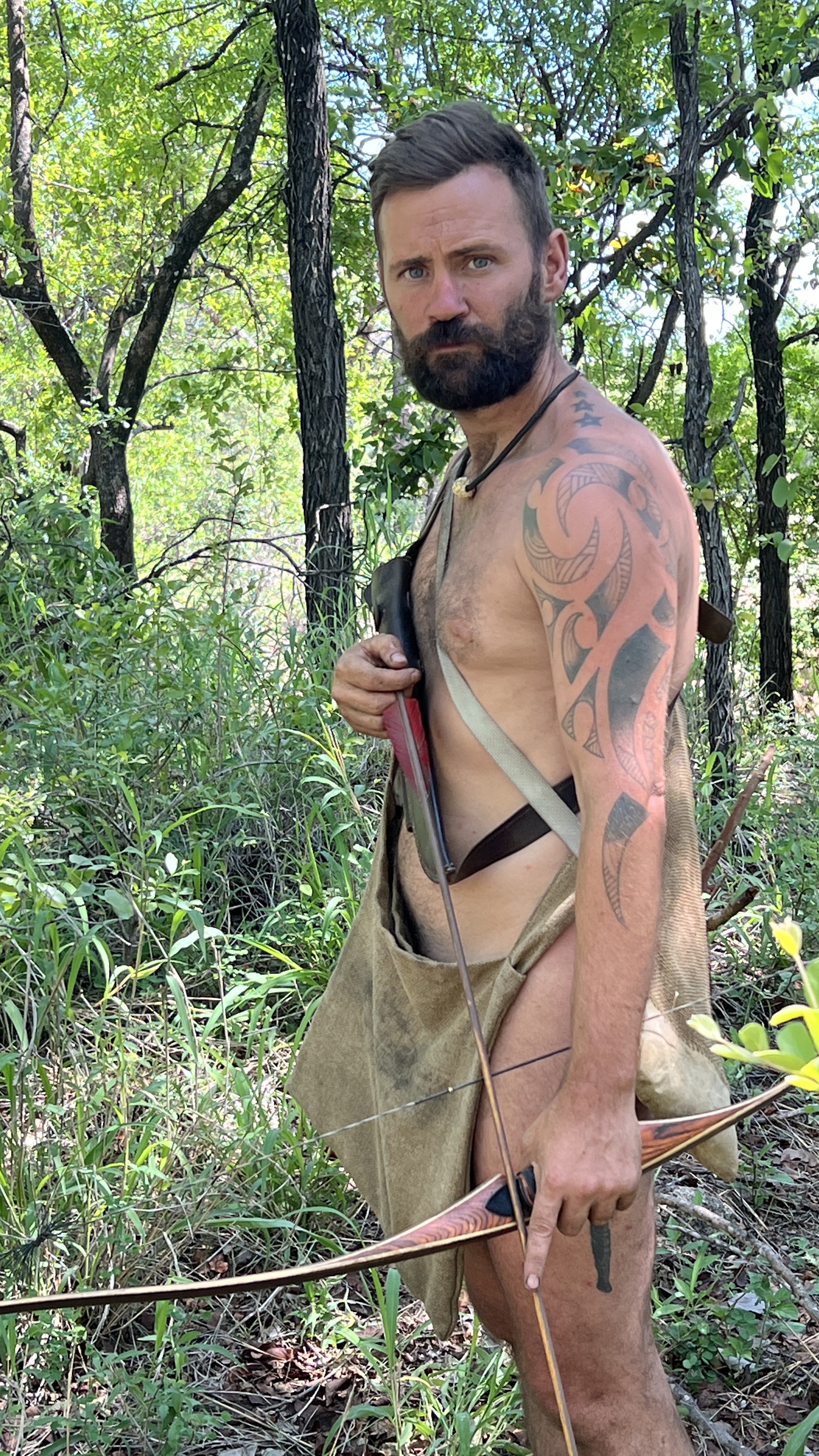
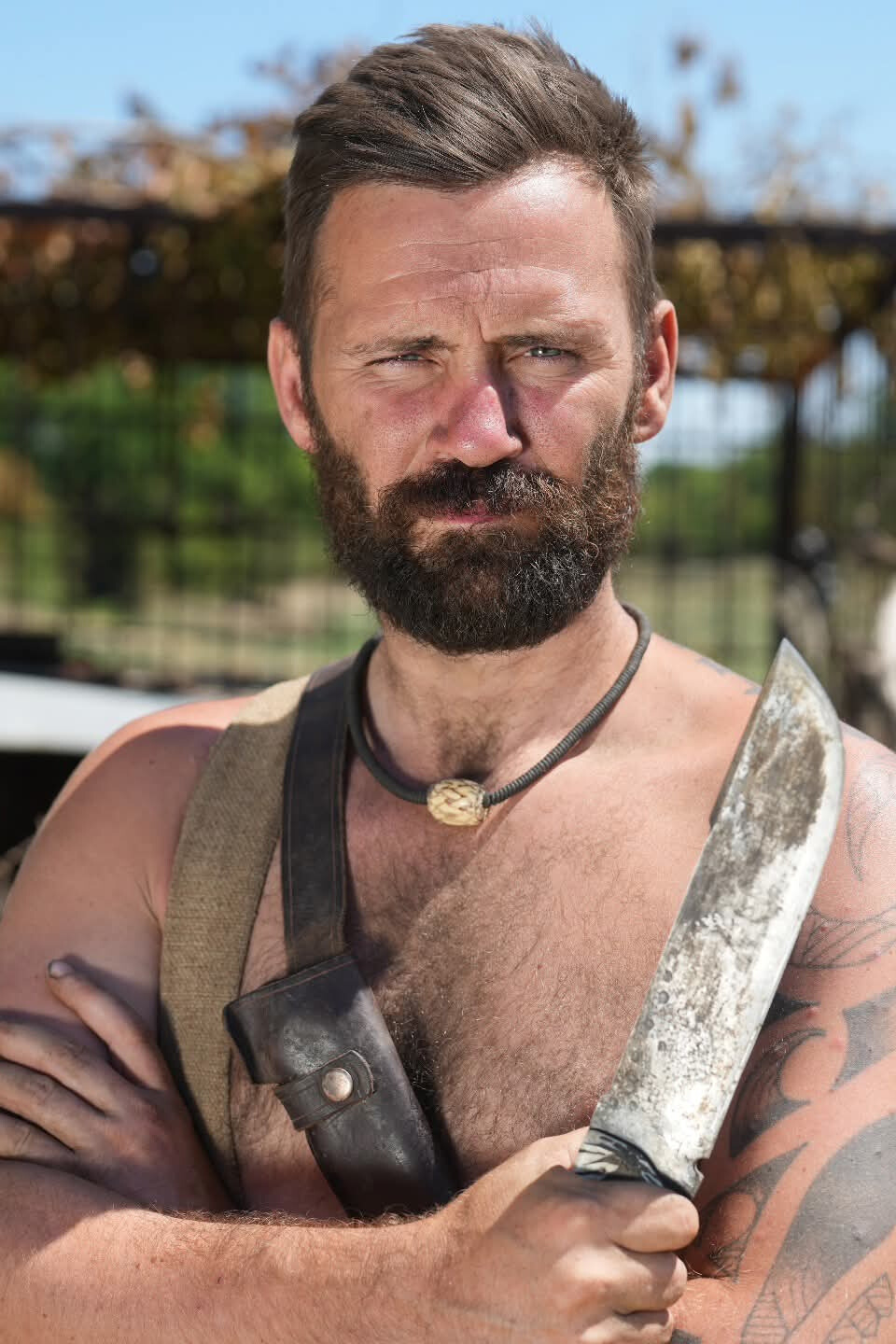
Former British Army Commando-trained soldier ,23 years in 29 Commando Regiment. I’ve trained and operated in jungle, desert, Arctic and mountain environments. I run South West Survival in the UK, and I’ve taken on multiple extreme survival TV challenges – including Naked & Afraid in the Colombian jungle and Naked & Afraid: Apocalypse.
In this guide, I’m going to give you the no-bullshit version of what Naked & Afraid is really like:
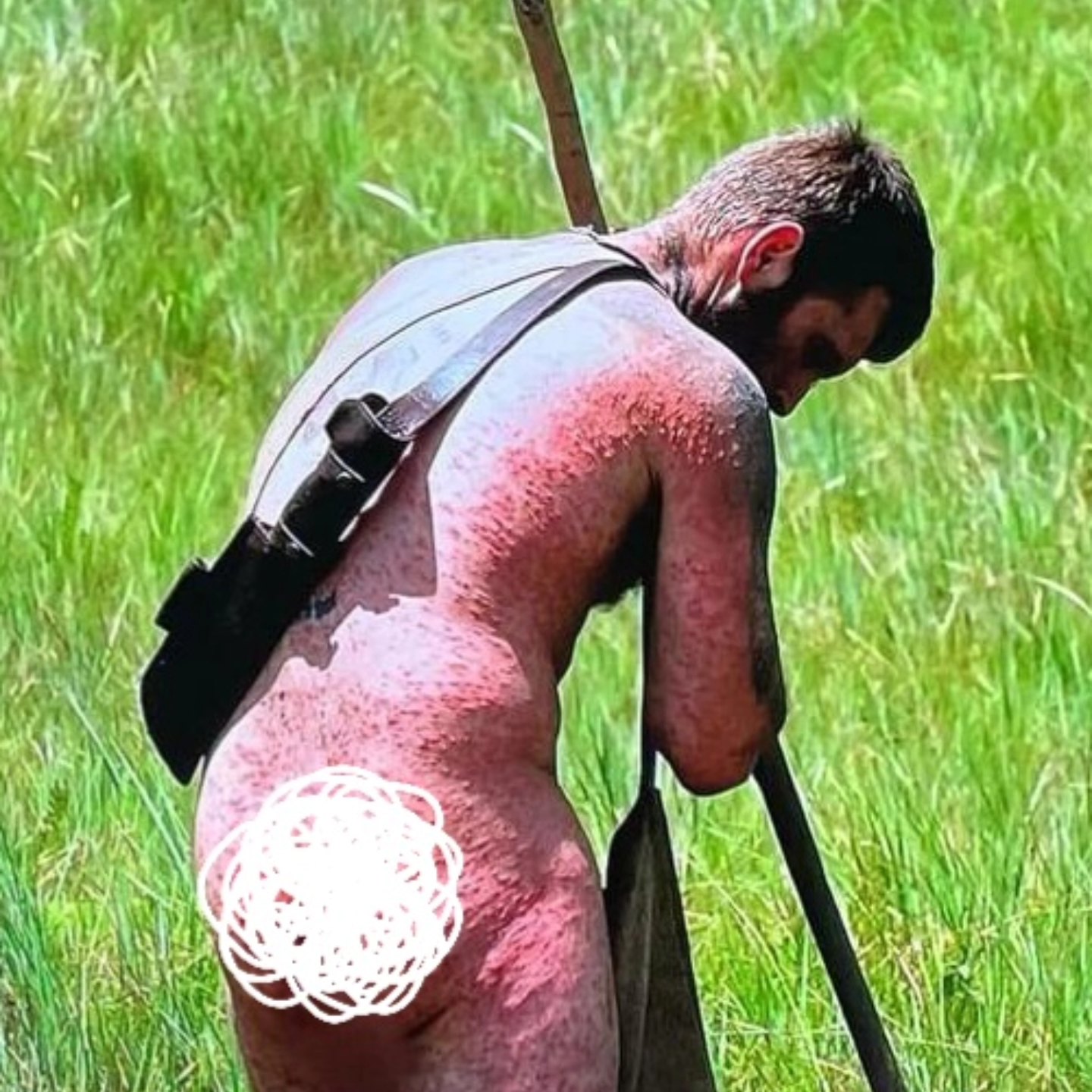
- I’ll tell the story of my own challenge – the good, the bad, and the skin-eating bug bites.
- I’ll walk you through my SURVIVE-7 survival mindset framework – the same mental model I use in the Army, on TV and in real life.
- I’ll show you where to watch my full YouTube debriefs and listen to the podcast episodes where I break it all down with other survivalists.
- And I’ll give you a chance to download a free Commando Survival Mindset Field Manual + Naked & Afraid prep checklist if you want to go deeper.
Whether you’re dreaming of applying for the show, or you just want to understand what real survival looks like, this is your starting point.
What Naked & Afraid Actually Is (When You Strip the TV Away)
On paper, the format is simple:
- Two strangers (sometimes more),
- No clothes,
- Minimal kit (usually one or two items each),
- 21 days (or more) in a hostile environment,
- Survive long enough to reach extraction.
You’re given a Primitive Survival Rating (PSR) at the start. Viewers see your number and decide instantly whether they think you’ll make it. What they don’t see is that PSR doesn’t mean much once the jungle, the heat, the hunger and the loneliness start grinding you down.
The show sells the challenge as:
“Survive with no clothes and no gear.”
The reality is more like:
“Survive when your comfort, dignity, routine, privacy and certainty are ripped away at the same time.”
The fire, shelter and water matter, of course. But you can see all that on TV.
What you don’t see is the hours of boredom, the endless itching, the arguments, the self-doubt, the fear of failing in front of millions of people, and the little decisions that nearly end your challenge without you realising.
My Naked & Afraid Story: The Colombian Jungle Up Close
My first Naked & Afraid challenge dropped me into the Colombian jungle – hot, humid, alive with insects, snakes and things that want to bite, sting or rot you from the outside in.
You’re flown in, processed, briefed. Then the moment comes: clothes off, mic on, and suddenly all the training, all the macho talk, all the theory disappears. You’re standing there, completely exposed, knowing that the first impression your partner and the world get of you is this naked, vulnerable version of yourself.
Day 1: Shock and ego
Those first hours are a shock, even for a Commando.
- Your feet are bare on unforgiving ground.
- Every plant seems to have thorns.
- Every movement brushes something that might bite or sting.
- You’re trying to assess your partner, the environment, the sun’s position, and your route – all while pretending you’re “fine”.
On camera, it looks like a fun adventure. Inside, your brain is screaming:
“Don’t mess this up. Don’t look weak. Don’t be the one who taps.”
Ego will either drive you or destroy you on Naked & Afraid.
Days 2–5: The bite phase
The jungle doesn’t attack you dramatically. It eats you slowly.
The bug bites were the worst I’ve ever experienced. Sandflies, mosquitoes, things you can’t see. They go after the same spots again and again until your skin feels like it’s on fire.
No clothes.
No repellent.
No way to shut a door.
You’re constantly balancing:
- Do I scratch and risk infection?
- Do I ignore it and risk losing my mind?
Sleep becomes a joke. You doze for minutes at a time between waves of itching and pain. When your skin is raw and wet and you’re still being eaten alive, that’s when your mindset becomes more important than your muscles.
Mid-challenge: The grind
Once the novelty wears off and the PSR talk fades, you’re left with the grind:
- Keeping the fire going when everything is damp.
- Checking each other for infection.
- Dealing with diarrhoea, cramps and weird jungle rashes.
- Managing the camp, maintaining the shelter, keeping morale above zero.
This is the phase where most people tap.
Not because they’re weak.
Because they’ve never trained their brain to function under sustained, low-level misery.
A Commando exercise might hammer you for a few days or weeks, but you’re fed, clothed and part of a big machine. In the jungle, naked, there’s no mess tent, no kit store, no medic on call at the end of the day. Just you, your partner, and whatever you can wring out of the environment.
The last push and extraction
The weird thing is that the final days can be some of the calmest.
If you’ve done the work early – built shelter, sorted water, established routines – your body will still be miserable, but your brain begins to accept the new normal. You move through the jungle like a different animal. You know how the ground feels, where the dangers are, which sounds matter.
Extraction is often physically tough: long hikes, river crossings, climbs. But mentally, something big happens:
You realise how far you’ve come from that first naked, shocked moment.
That journey isn’t an accident. It’s mindset, structure and decision-making under pressure.
That’s where my SURVIVE-7 framework comes in.
The SURVIVE-7 Mindset: How I Actually Think on Naked & Afraid
People assume survival is about kit. It’s not.
If your head goes, it doesn’t matter how good your knife is.
To keep my head straight, I use a simple mental model I call SURVIVE-7. It’s seven steps you can apply in any crisis – jungle, motorway breakdown, relationship meltdown, financial shock – and it absolutely applies to Naked & Afraid.
S.U.R.V.I.V.E. – Seven steps to think clearly when everything goes wrong.
Let me walk you through it, with the Colombian jungle as the example.
S – Stop, breathe, settle
Don’t rush your own funeral.
On Naked & Afraid, the first instinct is to do something. Run, build, collect, move. If you let panic drive that, you make bad decisions:
- Choosing a camp in a flood zone.
- Burning energy on the wrong route.
- Rushing tasks and injuring yourself.
So my first rule is always:
- Stop moving.
- Take 3–10 slow breaths.
- Accept: “I’m here, I’m alive, this is happening.”
Before I took a step in that Colombian jungle, I forced myself to stand still and breathe, even with cameras on me. That simple pause is the difference between a reaction and a decision.
In your life: car accident, bad news, argument – the first thing is the same. Stop. Breathe. Settle.
U – Understand your situation
You can’t beat what you don’t understand.
Next, I build a quick mental picture:
- Where am I in relation to water, high ground, shade?
- What’s the time of day and how much light have I got left?
- What’s the weather doing now and what’s it likely to do tonight?
- What’s my partner’s state – panicking, excited, quiet?
In Colombia, that meant:
- Recognising we were in a humid, dense jungle with likely heavy rain.
- Accepting the bugs weren’t going away and planning for that reality.
- Noting how my partner moved, spoke, reacted – so I’d know when they were close to the edge later.
Understanding is brutal honesty. It’s not “We’ll be fine.” It’s:
“We’re tired, naked, in a wet, bug-infested jungle with limited daylight and a long way to go. Okay – now what?”
In normal life, this is admitting your finances are a mess, your relationship is in trouble, or your job is burning you out – before it collapses.
R – Resources & risks
Count what you have and what can hurt you.
On the show, you have obvious resources:
- Your one or two chosen items (knife, pot, fire tool, etc.)
- Your partner
- The environment: wood, vines, water, rock, leaves
And obvious risks:
- Exposure (heat by day, cold when wet at night)
- Insects and infection
- Injury from terrain and tools
- Dehydration and digestion issues
In the jungle, I quickly assessed:
- What solid wood we had for shelter and fire.
- What natural materials were around for bedding and roofing.
- Where the standing and running water was – and how risky it was to drink.
- What bugs and plants were causing problems right away.
Then I weighed risks:
- Do we camp near the water (easier access, but more bugs and potential flooding)?
- Do we build big on day one (burn energy) or start small and expand?
- How aggressive do we go on foraging vs preserving energy?
This step stops you from fantasising about what you wish you had, and forces you to work with what’s real.
V – Vital needs first
Do the things that keep you alive today, not comfortable tomorrow.
TV loves big moments: hunting, dramatic fires, epic shelters.
Survival reality is much simpler:
- Shelter & warmth – can you stay out of the worst of the weather and keep your core temperature stable?
- Water – can you find, collect, treat and store it?
- Signal / mobility – do you know where you are and how you’ll get out?
- Food – important, but lower on the list than most viewers think.
On Naked & Afraid, most taps are because of:
- Infection
- Exposure
- Injury
- Mental collapse
Not because of running out of calories.
In Colombia, that meant:
- Prioritising a simple, solid shelter that would actually endure the rain and give us some protection from bugs and falling debris.
- Sorting a water source and treatment plan (boiling, filtering with what we had).
- Keeping a fire going even when we didn’t need it right that second, because when you do need it, it’s too late to be faffing around.
Food came later. Uncomfortable, but necessary.
I – Implement & improvise
Action plus creativity beats perfect gear.
Once you’ve decided on priorities, you have to move.
Implementing in the jungle means:
- Turning “we’ll build a shelter” into “you cut ridge poles; I gather palm leaves; we aim to have a roof by dark”.
- Using kit and environment creatively: turning clothing into cordage, using rocks as tools, combining vines and branches for structure.
On Naked & Afraid, nothing is “ideal”. Everything is improvised. That’s good. It forces you to let go of perfection and just get it done.
In everyday life, this might be:
- Selling things to make a quick emergency fund.
- Reaching out to people you haven’t spoken to in years because you need help now.
- Changing your daily routine to include training, learning, fixing the basics.
Action is what separates “We’re screwed” from “We’ve got a fighting chance.”
V – Vigilance & verification
Keep checking reality – it changes whether you like it or not.
Survival isn’t “set and forget”.
In the jungle, things change:
- Weather patterns shift.
- Rivers rise or fall.
- Your partner’s mindset swings up and down.
- Small wounds become infected.
- The fire that was easy yesterday is a nightmare today.
So you build habits:
- Morning and evening checks: fire, shelter, water, wounds, kit.
- Regular morale checks with your partner: honest conversations, not just banter.
- Terrain checks if you move: is this still safe ground, or have conditions changed?
On Naked & Afraid, people get complacent. They stop checking a foot wound. They stop thinking about what happens if it rains all night. That’s when a small problem becomes a tap-out.
In normal life, vigilance is:
- Reviewing your finances monthly.
- Checking in on your mental health and relationships.
- Re-assessing your plan when new information comes in.
E – Exit & evolve
Get out alive and take the lesson with you.
On the show, exit is obvious: make it to extraction.
But real exit is broader:
- Did you just survive, or did you learn?
- Did you come home with a better understanding of yourself, or just trauma and stories?
- Did you use the experience to strengthen your family, your work ethic, your mental toughness – or did you leave it as an isolated TV event?
When I left the jungle, the physical recovery was quick compared to the processing:
- Replaying decisions in my head: “Would I do that again? What would I change?”
- Looking at how I handled partnership, hunger, conflict, fear.
- Asking: “How can I use this to help other people – not just remind them I was naked on telly?”
That’s where the Commando Survival Mindset Field Manual and my podcast came from. The exit wasn’t the end; it was the start of using the whole suffering as material to help others toughen up without having to go through the exact same ordeal.
In your life, exit & evolve means:
- Leaving a bad situation with lessons and boundaries, not just scars.
- Turning mistakes into systems so you don’t repeat them.
- Using hard times to get sharper, not smaller.
Watch & Listen: Deeper Dives into Naked & Afraid
If you prefer to watch and listen rather than read, here’s where to go deeper.
Watch: My Colombian Jungle Breakdown on YouTube
👉 “Surviving the Colombian Jungle – Naked & Afraid Debrief”
In this full video I break down:
- How I prepared before flying out.
- The reality of the bug bites and infection risk.
- The hardest moments (that never made it to air).
- What I’d do differently if I went back.
You can grab the YouTube embed code for your site and drop it right here.
Listen: Survival Debrief Podcast Episodes on Naked & Afraid
On my podcast, The Survival Debrief, I sit down with survivalists and adventurers and unpack what really happens in the field – including Naked & Afraid alumni.
👉 “Survival Debrief with EJ Snyder– Behind the Scenes of Naked & Afraid”
In these episodes we talk about:
- The mental games producers never show.
- Partnership dynamics when you’re starving, cold and angry.
- The comedown afterwards – and how to process it in a healthy way.
Drop your Spotify/Apple embed codes here and let the page do the work.
How to Train Like You’re Going on Naked & Afraid
You might never apply for the show – and that’s fine. But if you want to build the kind of resilience that carries you through anything, here’s how I’d tell someone to train.
1. Physical base
You don’t need to be a bodybuilder. You need to be:
- Able to walk long distances with weight.
- Able to lift and carry awkward loads (wood, rocks, partner’s pack).
- Comfortable with bodyweight movements (squats, lunges, crawling, climbing).
- Capable of handling heat, cold, sleep loss without falling apart instantly.
Think:
- Rucking (walking with a weighted pack).
- Simple, regular strength training.
- Hill work.
- Short bursts of high effort, but mostly sustained, moderate work.
2. Skills base
At minimum, you should be able to:
- Start and maintain a fire in different conditions.
- Build basic shelters in woods, jungle and open country.
- Find, collect and treat water safely.
- Navigate with and without a GPS/compass.
- Use a knife and basic tools safely and effectively.
This isn’t about fancy Instagram bushcraft. It’s about being boringly competent with the basics.
3. Discomfort training
Most people fail on Naked & Afraid because they’ve never practised being uncomfortable.
You can train that in daily life:
- Cold exposure (cold showers, cold swims – safely, obviously).
- Fasting (skipping a meal or doing controlled short fasts once you’ve checked it’s safe for you).
- Deliberate digital detox days – no phone, no TV, no constant stimulation.
- Long, slow hikes in bad weather with minimal comfort.
The goal is not to wreck yourself. It’s to teach your brain:
“I’ve been here before. This is miserable, but it’s not killing me.”
4. Mindset drills
Use SURVIVE-7 in everyday problems:
- S – Stop, breathe, settle when you get bad news.
- U – Understand the situation honestly (no sugarcoating).
- R – List your resources (people, money, skills) and risks.
- V – Deal with vital needs first (safety, health, basics).
- I – Take the first small action.
- V – Keep checking reality.
- E – Debrief honestly afterwards.
If you can apply that to a work crisis or relationship argument, you’ll be more than ready when you’re cold, hungry and naked under a jungle storm.
Final Thoughts: You Don’t Need a Camera to Live Like a Survivor
Here’s the honest takeaway:
You don’t need to go on Naked & Afraid to benefit from the mindset and skills it demands.
The jungle, the desert, the Arctic – they’re just loud versions of what life already throws at you:
- Sudden change.
- Loss of comfort.
- Uncertainty.
- Long stretches of grind before any reward shows up.
The difference between people who break and people who grow isn’t luck. It’s mindset, structure and training.
If you:
- Learn to stop, breathe and think instead of panic,
- Understand your situation honestly,
- Work with your real resources instead of wishing for more,
- Prioritise the vital few things that keep you alive and sane,
- And debrief your own life like a Commando after an exercise…
…you’re already living like a survivor, whether there’s a camera pointed at you or not.
If you want more than just this article – if you want to build a survival mindset for the outdoors and for life – grab the Field Manual, subscribe to the Survival Debrief podcast, and come train with me at South West Survival when you’re ready.
You don’t control the jungle.
You don’t control the edit.
But you do control how you show up when everything is stripped away.
That’s survival.
7 Skills That Kept Me Alive on Naked and Afraid
Get the free guide, plus new journal posts and podcast episodes when they drop. Written by me, not an algorithm.
No spam. Unsubscribe any time.