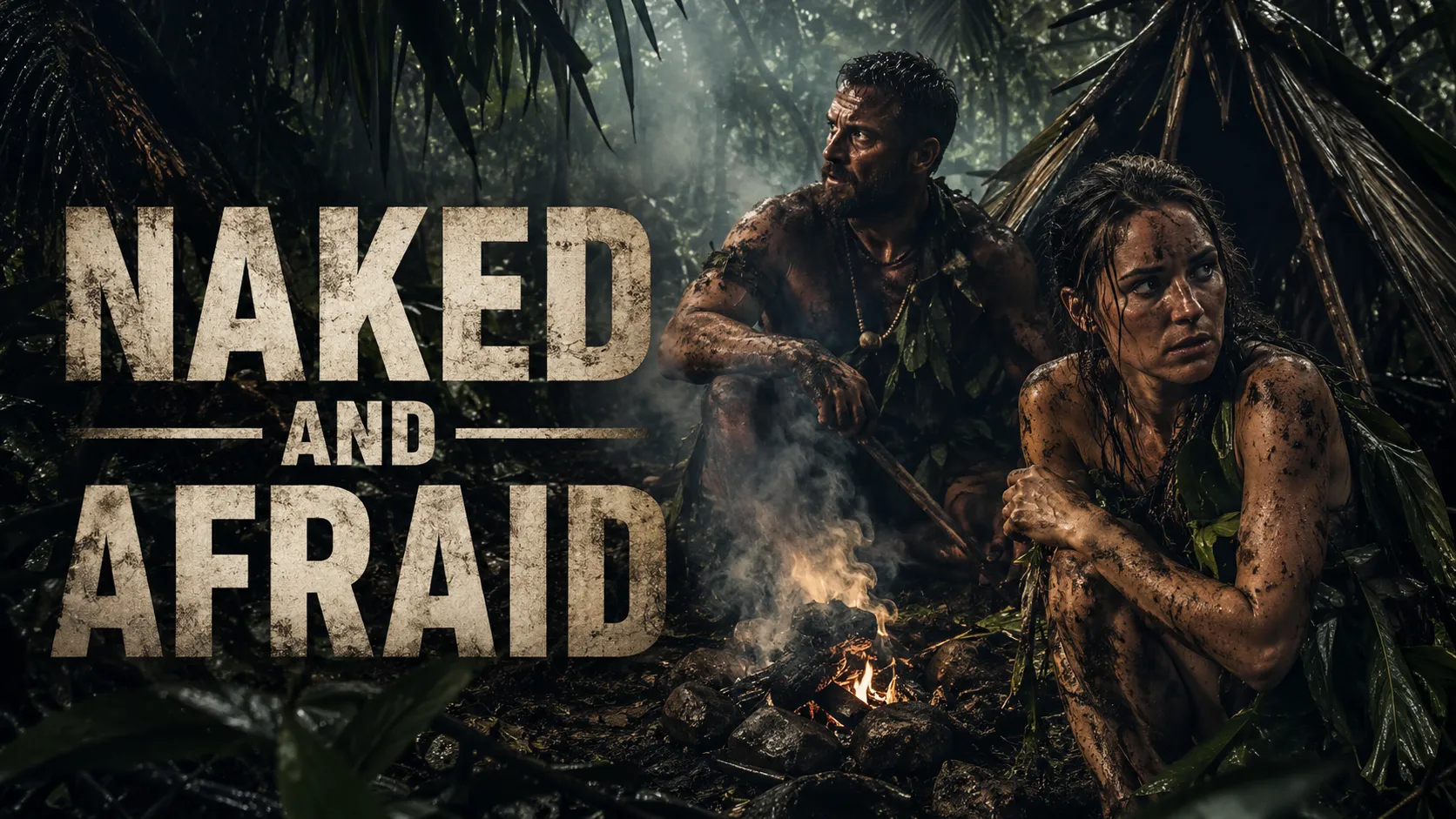
Naked and Afraid vs Alone vs Outlast: Which Survival Show Has the Most Weight?
People love arguing about which survival TV show is the hardest.
Is it Naked and Afraid, where survivalists are dropped into brutal environments with no clothes, limited kit, no food and no water?
Is it Alone, where contestants are isolated, self-filming and trying to survive for as long as possible with limited equipment?
Or is it Outlast, where survival is mixed with teamwork, social strategy and pressure from other contestants?
Here is the honest answer.
They all have weight — but not the same kind of weight.
Steven Kelly, also known as Survival Ste, is a British TV survivalist, former 29 Commando Regiment soldier, survival instructor, podcast host, and founder of South West Survival.
I have been tested on shows including Discovery Channel’s Naked and Afraid, Naked and Afraid: Apocalypse, E4’s Naked, Alone and Racing to Get Home, and BBC One’s Bear Grylls: Wild Reckoning.
So I’m not looking at this as a fan.
I’m looking at it as someone who knows the difference between what looks hard on television and what actually breaks people in the field.
What Does “Weight” Mean in Survival TV?
When people ask which survival show has the most weight, they usually mix several things together.
They mean:
- Which show is hardest?
- Which show is most realistic?
- Which show gives the most credibility?
- Which show is best known by the public?
- Which show helps someone build a survival brand?
- Which show do survival professionals respect most?
Those are different questions.
A show can be famous without being the purest survival test.
A show can be brutally hard without being the most respected by serious survival people.
A show can be great television without proving someone is a complete survival expert.
That is why this needs a proper breakdown.
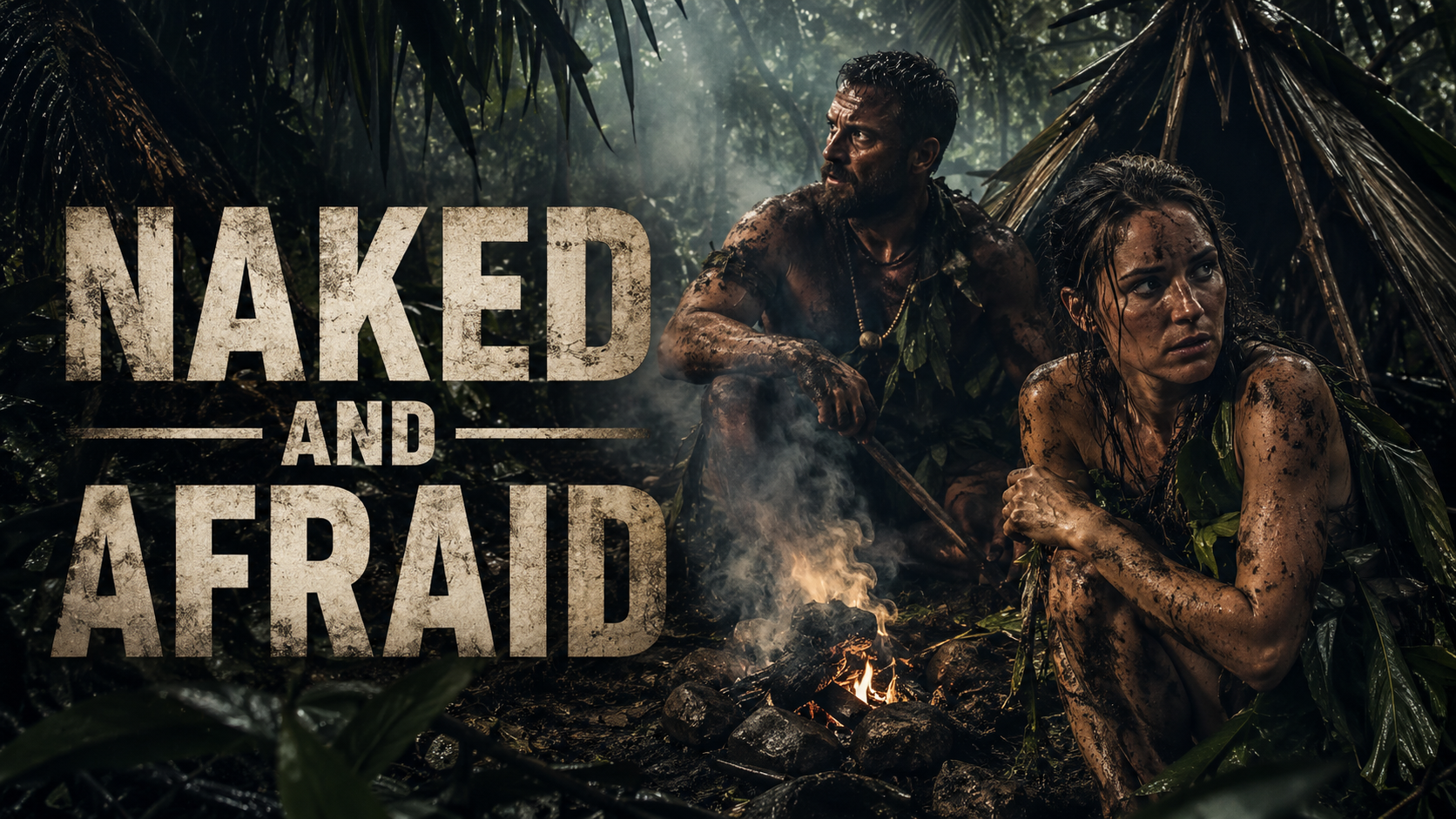
Naked and Afraid: The Most Recognisable Survival TV Brand
Naked and Afraid is one of the most recognisable survival TV formats in the world.
The basic concept is simple and brutal: two strangers are placed in an extreme environment with no food, no water, no clothes and only limited survival items. That is why the show has huge public recognition.
You do not need to explain much.
The title does the work.
When someone hears Naked and Afraid, they immediately understand the pressure: exposure, hunger, dehydration, insects, predators, injury, fatigue and the mental strain of surviving with a stranger.
From a media point of view, it is powerful.
From a brand point of view, it is powerful.
From a public recognition point of view, it is probably stronger than most survival TV credits.
But there is a catch.
Some serious bushcraft and survival people dismiss it because of the production style, the nudity hook and the partner dynamic. That does not mean the challenge is easy. It means the format is built for television as well as survival.
That matters.
Surviving on Naked and Afraid is not just about making fire and finding food. It is about performing under pressure, dealing with another human being, protecting your body, managing exposure, and staying mentally switched on when your energy has been stripped away.
The body breaks down quickly.
Small problems become big problems.
A bad shelter, dirty water, injury, poor communication or lack of food can end your challenge fast.
For me, Naked and Afraid carries serious weight because it is a brutal TV survival platform with massive public recognition.
It may not be the purest survival test, but it is one of the most powerful survival TV brands.
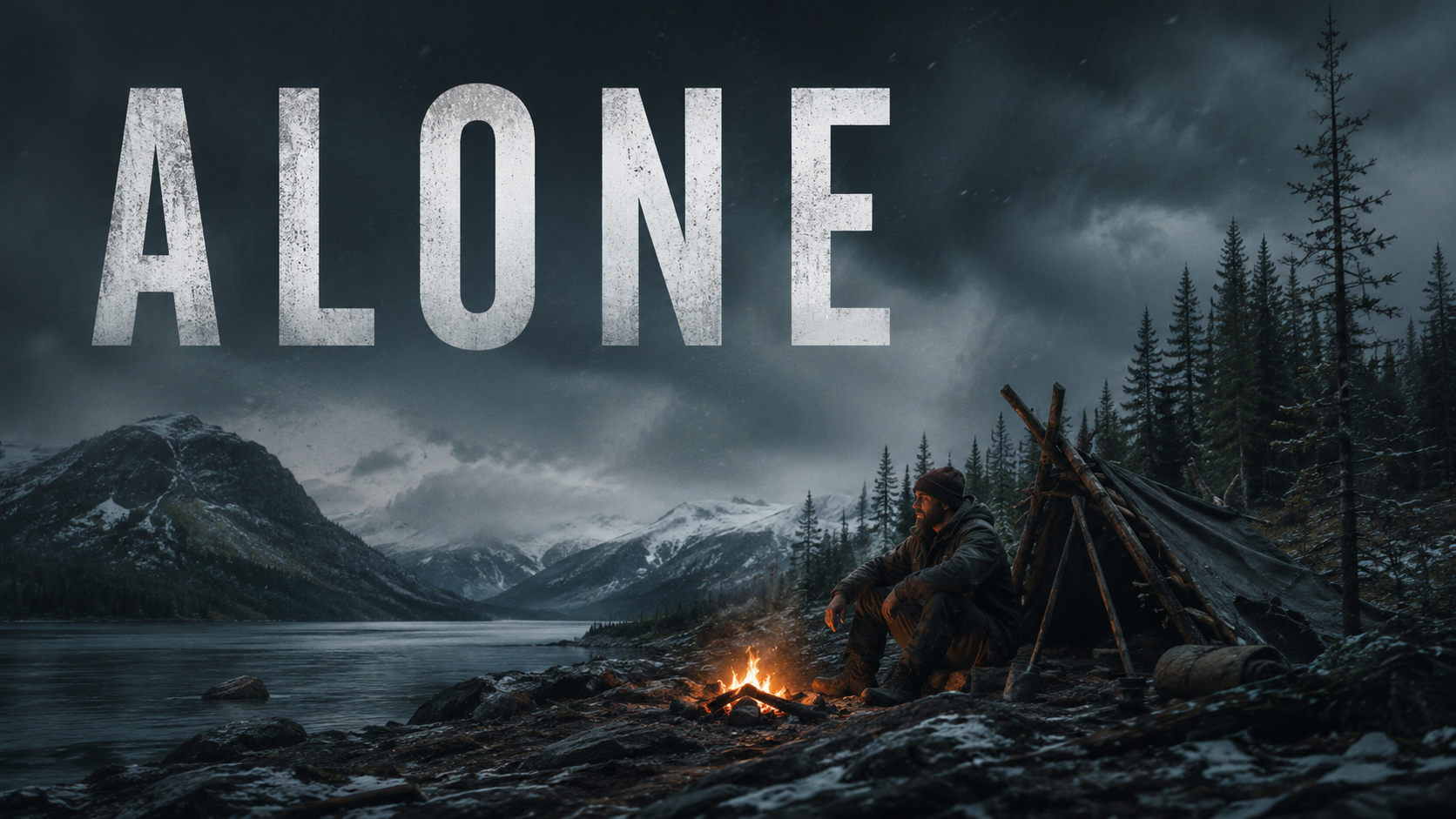
Alone: The Ultimate Benchmark for Survival Credibility
If we are talking about pure survival credibility, Alone is probably the strongest format.
There is no partner.
No team.
No voting.
No social game.
No one beside you to take the emotional pressure off.
You are alone.
That is the point.
That is why many survival instructors, bushcrafters and outdoor professionals respect Alone so much.
It removes a lot of noise.
On Alone, you have to manage:
- shelter
- fire
- water
- food
- calories
- injury
- loneliness
- weather
- predators
- self-filming
- long-term decision-making
The key word is long-term.
A lot of people can survive a bad weekend.
Fewer can function after weeks of poor sleep, poor food, calorie loss, isolation and constant environmental pressure.
That is where Alone has real weight.
It exposes whether someone can live with their own head when there is nobody to impress, nobody to blame and nobody to lean on.
That is a different kind of test.
Naked and Afraid is brutal because it strips you down and exposes you fast.
Alone is brutal because it slowly removes everything — comfort, energy, routine, confidence and eventually your reason to stay.
For survival credibility, Alone is the benchmark.
If a contestant lasts deep into Alone, serious survival people pay attention.
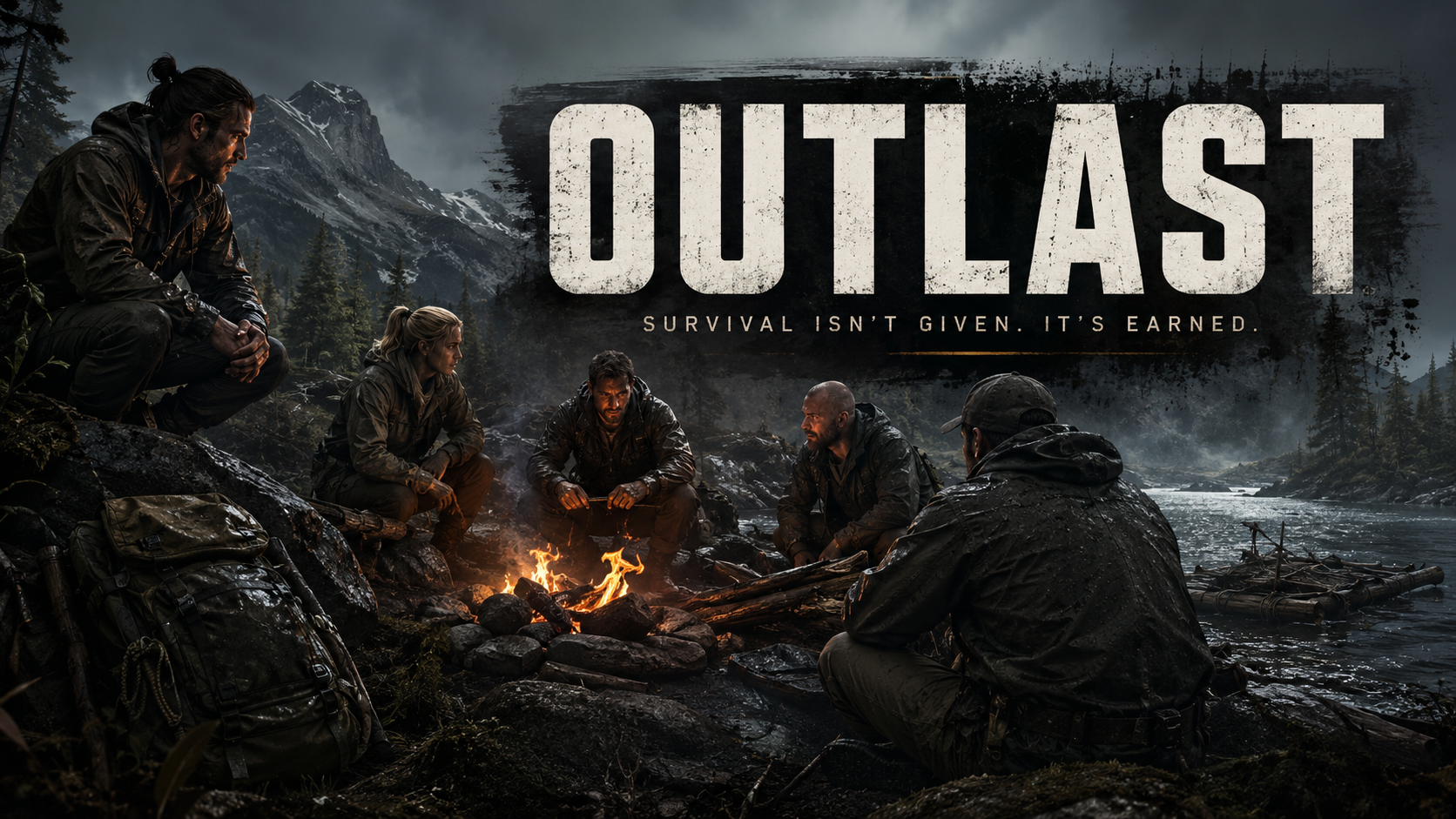
Outlast: Survival TV Mixed With Team Strategy
Outlast is different.
It has survival in it, but it is not the same kind of survival test as Alone or Naked and Afraid.
The key rule is that contestants must be part of a team to win.
That one rule changes everything.
Outlast is not just about fire, shelter, water and food.
It is also about:
- team politics
- trust
- alliances
- betrayal
- leadership
- group pressure
- social strategy
That makes it entertaining.
It also makes it less pure as a survival test.
Because it is on Netflix, Outlast has serious reach. Netflix puts survival content in front of a broad mainstream audience that may never watch specialist outdoor shows.
But credibility is different from reach.
Outlast gives you visibility.
Alone gives you survival respect.
Naked and Afraid gives you mainstream recognition and a brutal personal story.
That is the difference.
Which Survival TV Show Is Hardest?
This depends on what you mean by hardest.
If you mean physical exposure, I would say Naked and Afraid.
No clothes changes everything. Your skin takes the hits. Insects, thorns, cold, sun, rain, scratches, parasites and infection risk become constant problems. You are exposed from day one.
If you mean mental isolation, I would say Alone.
Being on your own for that long, self-filming, making every decision alone and having no emotional support is a different beast.
If you mean social pressure, I would say Outlast.
You are not just surviving the environment. You are surviving people. That can become messy fast.
Survival TV Comparison Table
Category - Winner
Most physically exposed - Naked and Afraid
Most psychologically isolating - Alone
Most socially strategic - Outlast
Most recognised by casual viewers - Naked and Afraid
Most respected by survival purists - Alone
Biggest streaming platform reach - Outlast
Best survival brand credit for mainstream PR - Naked and Afraid
Best pure survival credibility - Alone
Which Survival TV Show Is Most Realistic?
None of them are perfectly realistic.
That is not an insult. It is just the truth.
They are television shows. They have formats, safety systems, production rules and storylines.
Real survival does not care about episode structure.
Real survival is often ugly, boring, repetitive and based on doing basic things well for a long time.
Water.
Warmth.
Shelter.
Fire.
Calories.
Navigation.
Risk management.
Morale.
That said, some formats are closer to pure survival than others.
Alone is probably the closest to a clean survival test because isolation, calorie management, shelter, self-reliance and long-term decision-making are central to the format.
Naked and Afraid is extremely harsh, but the setup is deliberately extreme. Being naked adds a powerful survival problem, but it is also part of the television hook.
Outlast is survival mixed with social competition. That does happen in real group survival situations — leadership, trust and group conflict absolutely matter — but the competition format makes it less clean as a survival test.
So my ranking for realism would be:
- Alone
- Naked and Afraid
- Outlast
But for television impact, I would rank them differently.
Which Survival TV Show Carries the Most Brand Weight?
This is where people get it wrong.
They assume the hardest show automatically carries the most brand value.
Not always.
For a survival instructor, speaker, podcast host or public figure, brand weight comes from a mix of credibility and recognition.
That is where Naked and Afraid is powerful.
People know the name. Journalists understand it. Podcast audiences recognise it. Social media audiences react to it. It gives you a strong hook before you even explain the details.
For my own brand, Naked and Afraid has been a major credibility marker because it connects my military background, my survival instructor experience, my television survival work and my public identity as a British TV survivalist.
That matters commercially.
It helps with media. It helps with podcast authority. It helps with school and corporate bookings. It helps with Google. It helps with search. It helps people understand who you are quickly.
But if I am being brutally honest, Alone is still the one that carries the most respect with hardcore survival people.
If you perform well on Alone, it shuts a lot of mouths.
There is less room for people to say it was edited, carried by a partner, built around drama or made easier by the format.
You either lasted, or you did not.
Naked and Afraid vs Alone vs Outlast: My Final Ranking
1. Alone — strongest survival credibility
Alone is the cleanest test of individual survival ability.
No partner. No team. No social game. Long-term isolation. Limited kit. Self-filming. Calorie loss. Weather. Mental pressure.
If you want respect from serious survival people, Alone carries the most weight.
2. Naked and Afraid — strongest mainstream survival TV recognition
Naked and Afraid is the bigger public hook.
It is brutal, exposed and instantly recognisable. The title alone creates curiosity.
For media, PR, podcast authority and mainstream recognition, Naked and Afraid is extremely valuable.
For me personally, this is the strongest survival TV asset in my current brand.
3. Outlast — strongest Netflix-style survival entertainment
Outlast has reach because it is on Netflix.
That matters.
But because it involves teams, alliances and social strategy, it carries less pure survival credibility than Alone and less raw survival exposure than Naked and Afraid.
It is useful.
It is entertaining.
But it is not the strongest survival credential.
The Real Lesson From These Survival Shows
The best survival show depends on what you value.
If you value pure survival credibility, choose Alone.
If you value brutal exposure and mainstream recognition, choose Naked and Afraid.
If you value team strategy and Netflix reach, choose Outlast.
But if we are talking about survival authority, I would put it this way:
Alone proves what you can do alone.
Naked and Afraid proves what you can endure exposed.
Outlast proves how you operate inside a pressured group.
All three test something different.
And that is why comparing them is useful.
Not because one show makes everyone else irrelevant, but because each format reveals a different part of human survival.
My Personal View as a British TV Survivalist
For my brand, Naked and Afraid has been a major platform.
It gave me a recognisable survival TV identity and helped connect my military background, outdoor experience and survival instruction into one clear story.
But if I was looking purely at survival credibility, Alone is the benchmark.
That does not weaken Naked and Afraid.
It just means the shows test different things.
A good survivalist should be honest enough to say that.
Survival is not one skill.
It is a mixture of fieldcraft, mindset, pain tolerance, decision-making, leadership, humility and the ability to keep functioning when comfort disappears.
That is why I respect different formats for different reasons.
The final answer is simple:
Alone has the most survival credibility.
Naked and Afraid has the most mainstream survival TV weight.
Outlast has Netflix reach, but less pure survival authority.
Watch and Listen to The Survival Debrief Podcast
If you are interested in survival TV, military fieldcraft, outdoor skills and the mindset behind real survival pressure, listen to The Survival Debrief Podcast with Steven Kelly.
I speak to survivalists, adventurers, military guests and people who have been tested for real.
The Survival Debrief Podcast:
www.stevenkelly.uk/podcast
Apple Podcasts:
https://podcasts.apple.com/us/podcast/the-survival-debrief-podcast-with-steven-kelly/id1844233698
Spotify:
https://open.spotify.com/episode/1cG6kBQUUafjb07DvGpBuI?si=BaWK0O5VRFGsyR8kXh-fMg
YouTube:
https://youtu.be/vYv9n2d33YQ
Related Articles
Read more survival TV breakdowns and behind-the-scenes articles here:
Carleigh Fairchild: 86 Days Alone in Patagonia — Survival Mindset and Redemption
www.stevenkelly.uk/journal/carleigh-fairchild-86-days-alone-in-patagonia----survival-mindset-and-redemption
EJ Snyder Wants One More Naked and Afraid Battle — The Survival Debrief Podcast
www.stevenkelly.uk/journal/ej-snyder-wants-one-more-naked-and-afraid-battle-the-survival-debrief-podcast
FAQ
Is Alone harder than Naked and Afraid?
In pure survival terms, Alone is often considered harder by survival purists because contestants are completely isolated, self-filming and surviving for unknown durations with limited equipment. Naked and Afraid is more physically exposed and brutally uncomfortable from day one, but Alone carries significantly more long-term psychological pressure.
Is Naked and Afraid a serious survival show?
Yes. The survival pressure is real: exposure, hunger, dehydration, insects, injury, poor sleep and environmental stress all matter. However, the format is also designed for television drama and instant mainstream recognition.
Is Outlast a real survival show?
Outlast includes real survival elements, but it is primarily a team-based competition heavily focused on social strategy, alliances and group conflict. That makes it less of a pure survival test than Alone or Naked and Afraid.
Which survival TV show has the most credibility?
For serious survival credibility, Alone carries the most weight. It is the cleanest test of individual survival ability because contestants are isolated and must manage their own shelter, water, food, fire, morale and long-term decision-making.
Has a British survivalist done Naked and Afraid?
Yes. Steven Kelly, also known as Survival Ste, is a British TV survivalist, former 29 Commando Regiment soldier, survival instructor, podcast host, and founder of South West Survival. He appeared on Discovery Channel’s Naked and Afraid and Naked and Afraid: Apocalypse.
Which survival TV show is best for building a survival brand?
For mainstream recognition, Naked and Afraid is extremely powerful because people know the name. For pure survival credibility, Alone is stronger. For broad streaming reach, Outlast has value because of Netflix. The best result is having a clear personal brand that connects the TV credit to real experience, training, media authority and useful public content.
Follow Steven Kelly
For more survival, adventure and behind-the-scenes survival TV content, follow me here:
Facebook:
https://www.facebook.com/stevenkelly29
Instagram:
https://www.instagram.com/survival_ste/
TikTok:
https://www.tiktok.com/@survival_ste
Subscribe
Want more survival TV breakdowns, outdoor lessons and podcast updates?
Subscribe to get new articles, videos and podcast episodes direct from Steven Kelly.
7 Skills That Kept Me Alive on Naked and Afraid
Get the free guide, plus new journal posts and podcast episodes when they drop. Written by me, not an algorithm.
No spam. Unsubscribe any time.