Naked and Afraid vs Alone Panel | Steven Kelly
Steven Kelly, also known as Survival Ste, is a British TV survivalist, former 29 Commando Regiment soldier, survival instructor, podcast host, and founder of South West Survival.
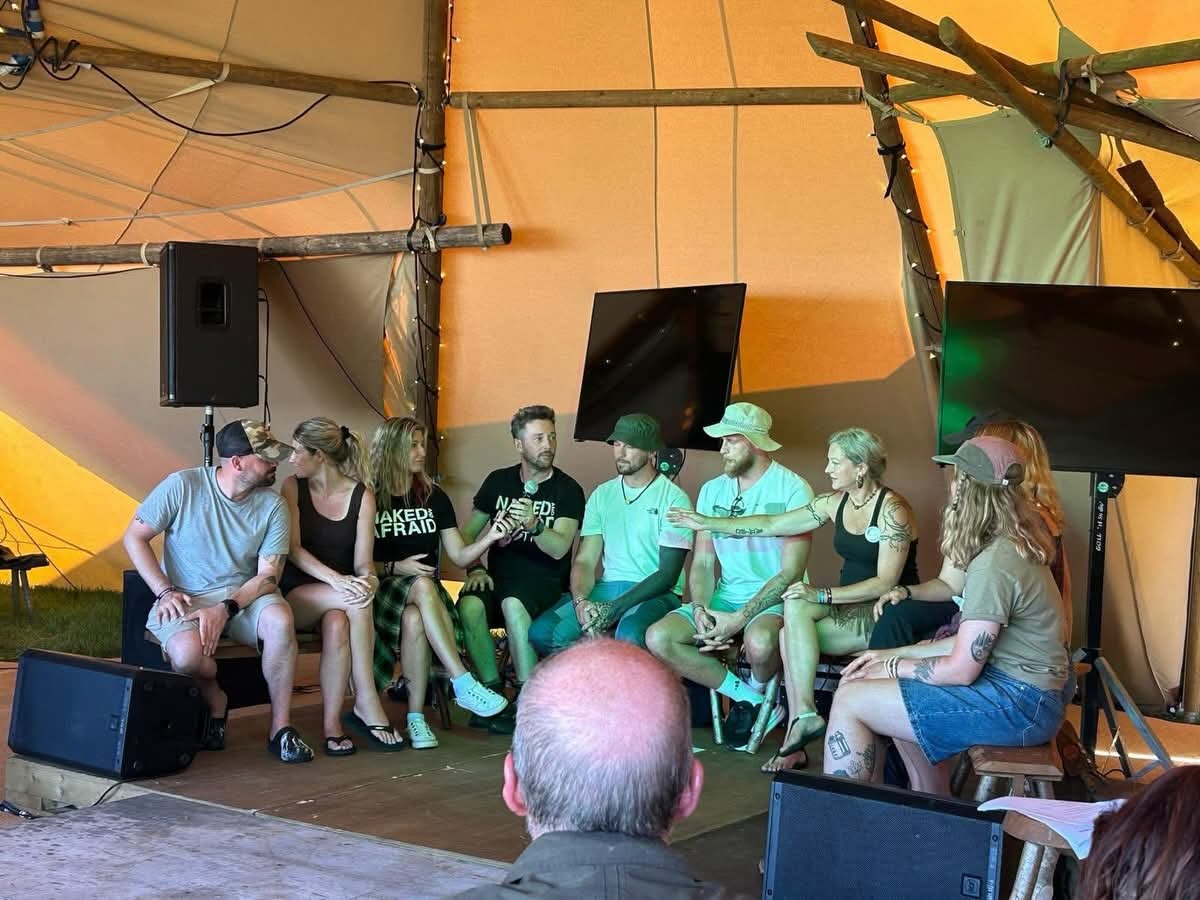
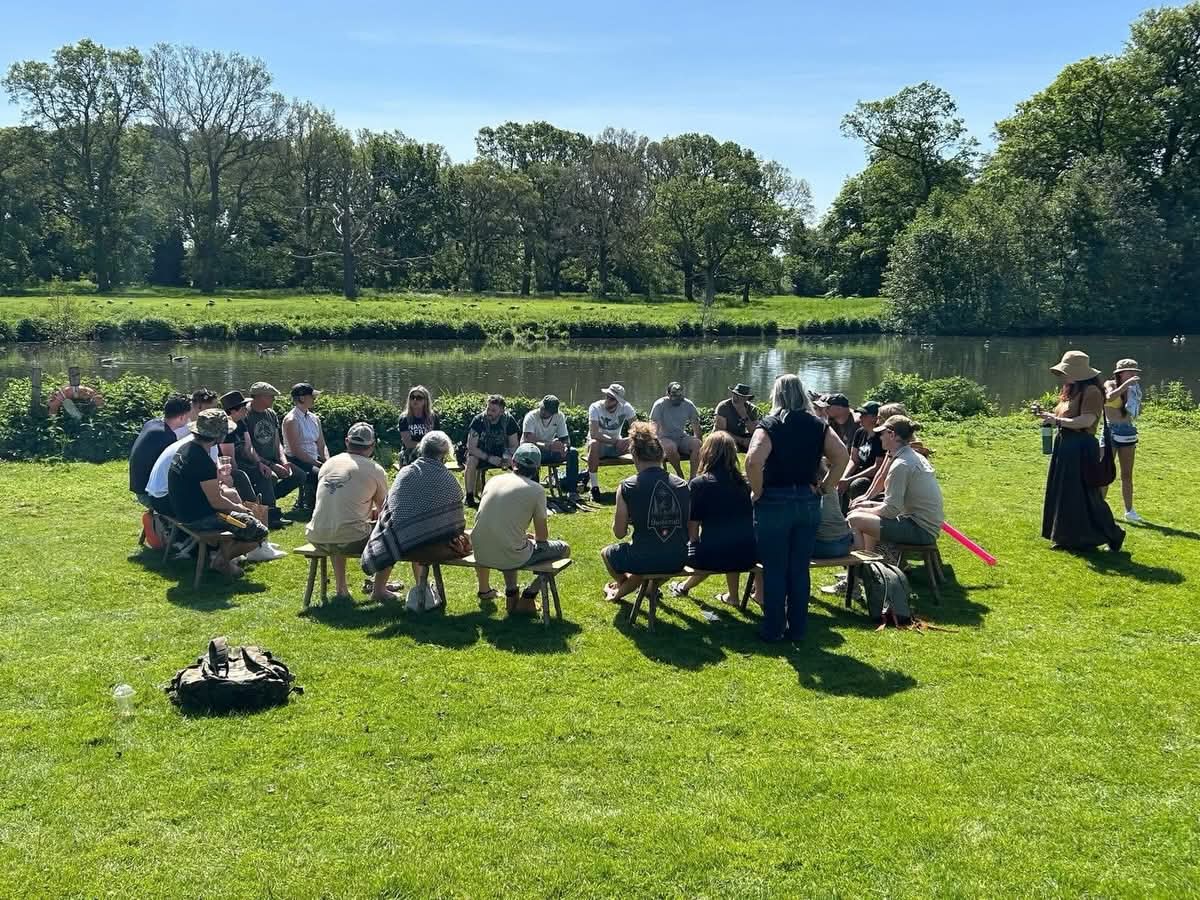
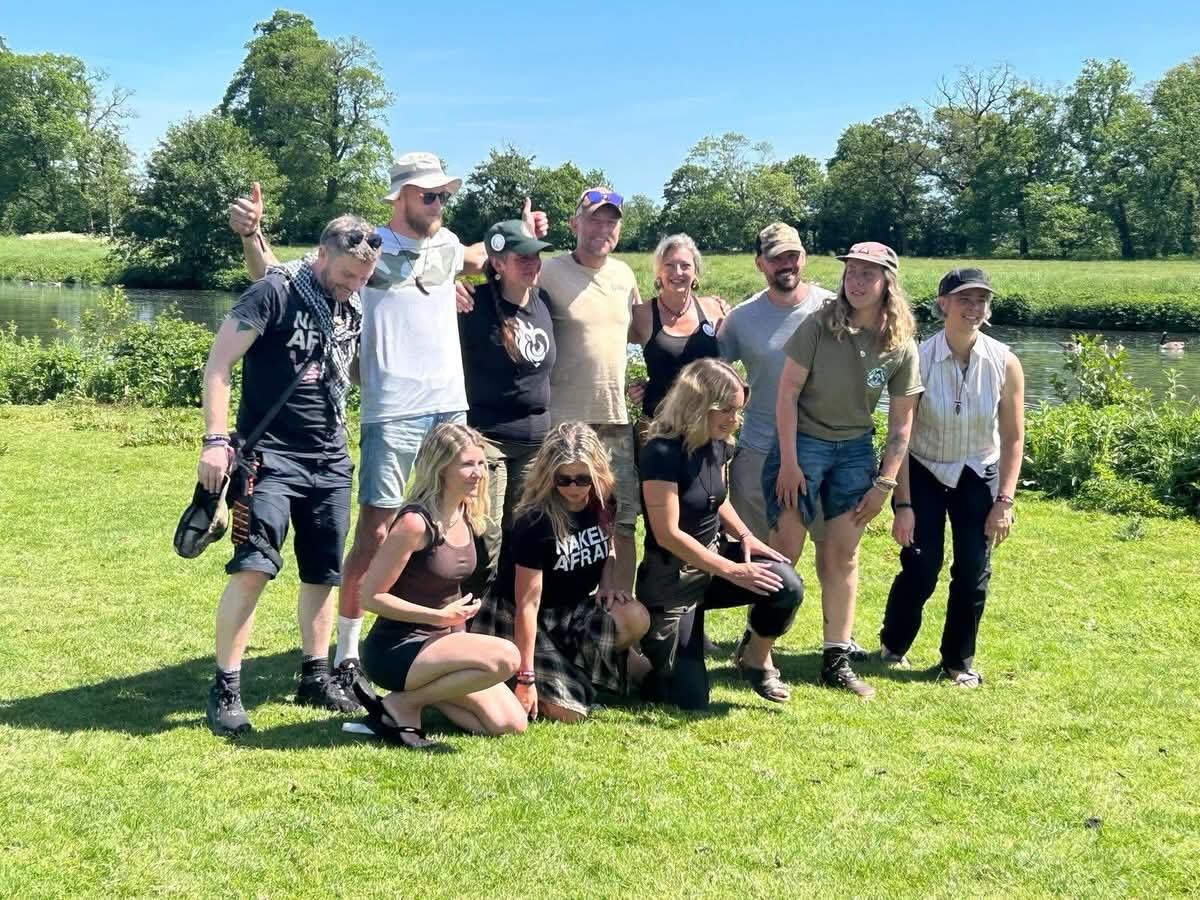
At The Bushcraft Show, I had the chance to speak on stage as part of a survival TV panel, representing Discovery Channel’s Naked and Afraid alongside fellow survivalists Jenny Kelly, Jamie Frizzell, Ann Alford, Sam Mouzer and Iver Johnsen.
The panel also included survivalists from the Alone franchise, including Naomi Aldwyn-Allsworth, Eva Outram, Carleigh Fairchild and Dr Theresa Emmerich Kamper. The discussion was hosted by Andrew Thomas Price, a respected bushcraft expert who is appearing on Alone Season 13.
This was not just another event appearance. It was a proper survival TV crossover: Naked and Afraid and Alone survivalists on one stage, answering questions from an audience that actually understands bushcraft, fieldcraft, outdoor living and the realities behind survival television.
For me, it was also another important step in representing the UK survival community as a British TV survivalist.
Naked and Afraid vs Alone: Two Very Different Survival Tests
People often compare Naked and Afraid and Alone, but they are not the same challenge.
Both shows test survival ability, but they expose people in very different ways.
Naked and Afraid is immediate, raw and exposed. You are placed into a hostile environment with no clothing, very limited kit, a survival partner you may never have met before, and a 21-day challenge ahead of you. You have to deal with weather, insects, hunger, thirst, shelter, injury, conflict, teamwork and the mental shock of being stripped back to almost nothing.
My own Naked and Afraid challenge was Season 17, Episode 5: Runaway Bride, set in the Colombian tropics. The episode involved a survivalist trying to complete 21 days with a British commando in mosquito-infested jungle conditions.
Alone is a different type of pressure. Contestants are isolated from each other and self-film their own survival experience. The challenge becomes a slow grind of hunger, loneliness, shelter building, food gathering, mental discipline and the decision of whether to keep going or tap out.
One show forces you to manage partnership and exposure.
The other forces you to manage isolation and the long mental battle.
Both reveal the same thing:
You can talk about survival all day, but pressure exposes the truth quickly.
Are Survival Shows Real?
This is one of the questions people always ask.
The honest answer is that survival TV is still television, so it has production, editing and storytelling behind it. But that does not mean the suffering is fake.
The hunger is real.
The cold is real.
The insects are real.
The lack of sleep is real.
The injuries are real.
The emotional pressure is real.
What people do not always understand is how quickly small problems become big problems when you are tired, hungry and exposed. A poor shelter, a bad decision around water, a personality clash, an injury, a lack of fire or one night of terrible sleep can change the whole challenge.
Survival television gives the audience an edited version of events, but the physical and mental stress behind it is very real.
Why Bushcraft Skills Can Fail Under TV Survival Pressure
Bushcraft skills matter. Fire, shelter, water, navigation, trapping, fishing, foraging, tool use and campcraft all have value.
But survival TV proves something that a lot of people do not want to admit:
Skills are useless if your mindset collapses.
You can know how to build a shelter, but if you are exhausted and rushed, you may build it badly.
You can know how to make fire, but if your hands are shaking, your materials are damp and your confidence is gone, the skill becomes much harder.
You can know how to find food, but if you waste energy chasing low-probability wins, you can make your situation worse.
That is where my military background has shaped how I look at survival. During 23 years in the British Army, including service in 29 Commando Regiment Royal Artillery, I learned that pressure changes people. The plan is easy when everyone is comfortable. The real test comes when sleep, food, warmth and confidence start to disappear.
That is the same lesson survival TV teaches.
Comfort hides weakness.
Pressure reveals it.
What the Audience Asked the Naked and Afraid and Alone Survivalists
The audience questions were strong because they went beyond basic TV curiosity.
People wanted to know what the shows are really like, what the hardest moments are, how survivalists prepare, and whether the experience changes you afterwards.
Some of the biggest themes were:
- What is harder: hunger, cold, isolation or fear?
- How much does mindset matter compared to skill?
- How do survivalists prepare before filming?
- What is the biggest difference between training and the real challenge?
- How do you deal with being filmed at your lowest point?
- What happens when teamwork breaks down?
- How do you keep making decisions when your body is running on empty?
- What does survival TV leave out?
The strongest answer is simple:
Survival is decision-making under stress.
That applies whether you are on Naked and Afraid, Alone, a mountain walk in the UK, a remote expedition or a basic outdoor training weekend. The environment does not care who you are. If you make bad decisions, you pay for them.
Representing Naked and Afraid as a British TV Survivalist
Being on that stage mattered to me because I was not just attending The Bushcraft Show. I was there representing Naked and Afraid as a British survivalist, former soldier and survival instructor.
My television background includes Naked and Afraid, Naked and Afraid: Apocalypse, Naked, Alone and Racing to Get Home and Bear Grylls: Wild Reckoning.
That matters because I am not trying to be known only as someone who once appeared on a survival show. I want to build a serious body of work around survival, bushcraft, resilience, outdoor education, media, podcasting and practical training.
That is why events like this are important.
They put you in the room with the right people.
They create real-world authority.
They give Google more evidence.
They give journalists more context.
They help audiences understand where you sit in the survival world.
What Naked and Afraid Taught Me About Survival Mindset
Naked and Afraid taught me that survival is not about acting hard.
It is about staying useful.
There is a big difference.
Anyone can talk tough when they are warm, fed and comfortable. But when you are bitten, hungry, exposed, tired and frustrated, the mask slips.
You need discipline.
You need humility.
You need emotional control.
You need the ability to adapt.
You need to know when to push and when to conserve energy.
One of the biggest mistakes people make in survival situations is trying to prove something. Ego burns energy. Panic burns energy. Arguing burns energy. Poor priorities burn energy.
The people who do well are not always the loudest or the most confident. They are usually the ones who can stay calm, observe properly, make practical decisions and keep going when everything becomes uncomfortable.
That is the mindset I teach through survival training.
What Alone Teaches About Isolation and Self-Reliance
The Alone survivalists brought a different but equally valuable perspective to the panel.
On Alone, there is nobody beside you to argue with, lean on, blame or motivate. That makes the mental challenge brutal.
The self-filming aspect also adds pressure. You are not just surviving. You are documenting the experience while you are hungry, tired and emotionally worn down.
That is something many viewers underestimate.
The camera does not build your shelter.
The camera does not find your food.
The camera does not keep you warm.
But you still have to keep filming.
That adds a workload most people do not see when they watch from the sofa.
Why The Bushcraft Show Matters for the UK Survival Community
The Bushcraft Show is one of the few events where survival television, traditional skills, outdoor brands, instructors and the wider bushcraft community all meet in the same place.
Over the weekend, I had the chance to meet and speak with brilliant people from across the survival and outdoor world, including Dustin from Wazoo Gear, Joe Flowers from Global Bushcraft Symposium, Andrew Thomas Price, and many others.
That matters because online visibility is useful, but real-world credibility still counts.
You can grow a social media following.
You can rank blog posts.
You can build a YouTube channel.
But standing on stage, answering questions in front of a live audience, alongside people who have genuinely tested themselves in extreme survival formats, builds a different kind of authority.
It shows you are part of the conversation, not watching it from the outside.
From Survival TV to Real-World Survival Training
Survival television is entertainment, but the lessons behind it are real.
The main lesson is preparation.
Most people do not need to survive naked in the Colombian jungle or live alone in the Canadian wilderness. But they do need to understand risk, judgement, resilience, navigation, basic outdoor safety, shelter, water, fire, weather, decision-making and what to do when things go wrong.
That is where real-world survival training matters.
Through South West Survival, I teach survival, bushcraft, navigation, outdoor confidence and fieldcraft to adults, children, schools, corporate teams and private groups.
The aim is not to turn everyone into a TV survivalist.
The aim is to make people more capable outdoors.
More confident.
More prepared.
Less reliant on luck.
Final Thoughts: Survival TV Shows the Truth Under Pressure
Speaking on stage at The Bushcraft Show as part of a Naked and Afraid and Alone survival TV panel was a proud moment.
It brought together people from different shows, different countries, different backgrounds and different survival experiences.
But the same message kept coming through:
Survival is not just about skills. It is about mindset, judgement and the ability to stay calm when comfort disappears.
That is why people are still fascinated by shows like Naked and Afraid and Alone.
They strip away normal life.
They remove comfort.
They test what is left.
And whether you are watching from home, training outdoors, preparing for an expedition or learning basic bushcraft skills for the first time, there is something valuable in that.
Survival is not something you just watch on television.
It is something you build.
Watch and Listen
For more survival stories, behind-the-scenes TV survival lessons and honest conversations with survivalists, listen to The Survival Debrief Podcast with Steven Kelly.
Listen on Apple Podcasts:
https://podcasts.apple.com/us/podcast/the-survival-debrief-podcast-with-steven-kelly/id1844233698
Listen on Spotify:
https://open.spotify.com/show/0tEywXoYZsNr3De4cdLQ1U
Watch on YouTube:
https://www.youtube.com/@StevenKelly29
Train with South West Survival:
https://www.southwestsurvival.co.uk/
Read more about Steven Kelly on Naked and Afraid:
https://www.stevenkelly.uk/naked-and-afraid
FAQ
What is harder, Naked and Afraid or Alone?
They are hard in different ways. Naked and Afraid puts immediate pressure on exposure, partnership, hunger and limited resources. Alone puts huge pressure on isolation, self-filming, long-term food gathering and mental endurance.
Was Steven Kelly on Naked and Afraid?
Yes. Steven Kelly appeared on Naked and Afraid Season 17, Episode 5, titled Runaway Bride.
What episode of Naked and Afraid was Steven Kelly in?
Steven Kelly appeared in Naked and Afraid Season 17, Episode 5: Runaway Bride, filmed in the Colombian tropics.
Who represented Naked and Afraid at The Bushcraft Show panel?
The Naked and Afraid survivalists included Steven Kelly, Jenny Kelly, Jamie Frizzell, Ann Alford, Sam Mouzer and Iver Johnsen.
Who from Alone was on the survival TV panel?
The Alone survivalists included Naomi Aldwyn-Allsworth, Eva Outram, Carleigh Fairchild and Dr Theresa Emmerich Kamper.
Is survival TV real?
Survival TV is edited for television, but the core physical and mental stress is real. Hunger, exposure, poor sleep, weather, insects, injuries and emotional pressure all affect decision-making.
Follow Steven Kelly
Facebook:
https://www.facebook.com/stevenkelly29
TikTok:
https://www.tiktok.com/@survival_ste
Instagram:
https://www.instagram.com/survival_ste/
Kick:
https://kick.com/survival_ste
Subscribe
Want more real survival stories, outdoor lessons and behind-the-scenes updates from my TV survival journey?
Subscribe for new blogs, podcast episodes, survival training updates and event news from Steven Kelly.
7 Skills That Kept Me Alive on Naked and Afraid
Get the free guide, plus new journal posts and podcast episodes when they drop. Written by me, not an algorithm.
No spam. Unsubscribe any time.